Wedding Websites·7 min read
How to Plan a Wedding: A Step-by-Step Guide for 2027 Couples
Learn how to plan a wedding in the right order, with first-month decisions, booking dependencies, guest communication and a practical handover plan.

By Aurelia Editorial Team · Wedding stationery & planning guides
Published

Start with the celebration you actually want
Have a planning conversation before collecting supplier quotes. Each of you should choose three priorities and explain what they mean in practice. “Time with our families” might lead to a smaller guest list and a longer meal; “a full dance floor” affects venue and music choices. Agree what you are happy to simplify as well. Record the decisions in a one-page brief so future purchases can be judged against a shared plan.
Define the event scope: a local ceremony and lunch, a full-day reception or a weekend away. Write down which gatherings you will host, an approximate attendance range and any travel involved. Do not choose all the decorative details yet. Your first useful deliverable is a feasible event concept that both of you understand, not a complete mood board.
Step 1: connect budget and guest numbers
Start the budget with confirmed funds and state what the total includes. Add rings, outfits, extra events or accommodation deliberately rather than leaving them outside the calculation by accident. Make a first guest list by name, not only a target number. Then obtain initial prices for the venue, food and your biggest priorities. This establishes whether your preferred event is plausible before deposits create commitments.

Use the guest list and quotes together. If 100 guests exceed the usable capacity or spending limit, compare complete alternatives: fewer people, a simpler meal format, a different date or another venue. Do not assume enough guests will decline to solve the problem. The budget breakdown and guest list guide help you test the numbers before booking.
Leave a reserve within the available total and list known but unquoted services separately. Your provisional allowances should cover the actual scope, including setup, transport or equipment where needed. A reserve is for uncertainty; it should not conceal expenses already required by the plan.
Step 2: choose your venue and date together
Compare venues using the same scenario: date or season, guest range, ceremony location, seated meal and event hours. Request the included items and mandatory charges, and view the backup space if part of the day is outdoors. Use the venue questions checklist to record answers. Shortlist the places that work operationally before choosing between their visual styles.

Confirm ceremony arrangements with the relevant provider before treating the date as settled. Ask the responsible authority about any legal process for your circumstances rather than borrowing another couple's paperwork timeline. Once the venue and ceremony agree, record the date, locations, access window and important deadlines in the shared plan. Those facts unlock useful supplier enquiries and initial guest information.
Step 3: decide how much help you need
List what you can manage yourselves and which responsibilities need support. A venue contact may cover its own rooms and catering but not a separate ceremony or personal decor. A planner may help shape the event, while coordination may focus on delivering an existing plan. The question is which work remains unassigned, not whether every wedding needs the same professional package.
Use the planner versus coordinator comparison to request clear deliverables. Confirm who handles the supplier schedule, decisions during delays, weather changes and collection after the celebration. If a friend helps, give them a defined task and make sure it does not conflict with a ceremony role. The couple should not be the only people able to resolve a delivery problem.
Step 4: book suppliers in a sensible order
Book around dependencies and priorities. Confirm date-sensitive essentials first, such as photography or a musician you particularly want, then services shaping space and timing: catering, production, transport and key rentals. Check the venue inclusions to avoid buying equipment twice. Use the vendor checklist to distinguish enquiries, confirmed bookings and details still awaiting approval.

| Decision confirmed | What it allows you to do next |
|---|---|
| Budget and guest range | Compare suitable venues |
| Venue, date and ceremony arrangements | Confirm date-specific suppliers |
| Core supplier scopes | Build a realistic schedule |
| Guest logistics and deadlines | Send clear information and set RSVPs |
| Final attendance and requirements | Confirm meals, seating and transport |
Before accepting a quote, record the complete scope, agreed total, payment dates and final-information deadline. Link the agreement to your supplier register. A booking is not “done” until you know what you must provide next. For example, a caterer may still need a final headcount, menu choice and guest requirements; assign those actions while the terms are fresh.
Step 5: create one reliable source of guest information
Create a guest-information draft once the main arrangements are confirmed. Include the event scope, named invitees, date, arrival guidance, addresses and reply method. For travellers, add accommodation and transport information early enough to help them decide. Mark details that will follow honestly; do not describe a shuttle or room arrangement as confirmed while it remains an idea.
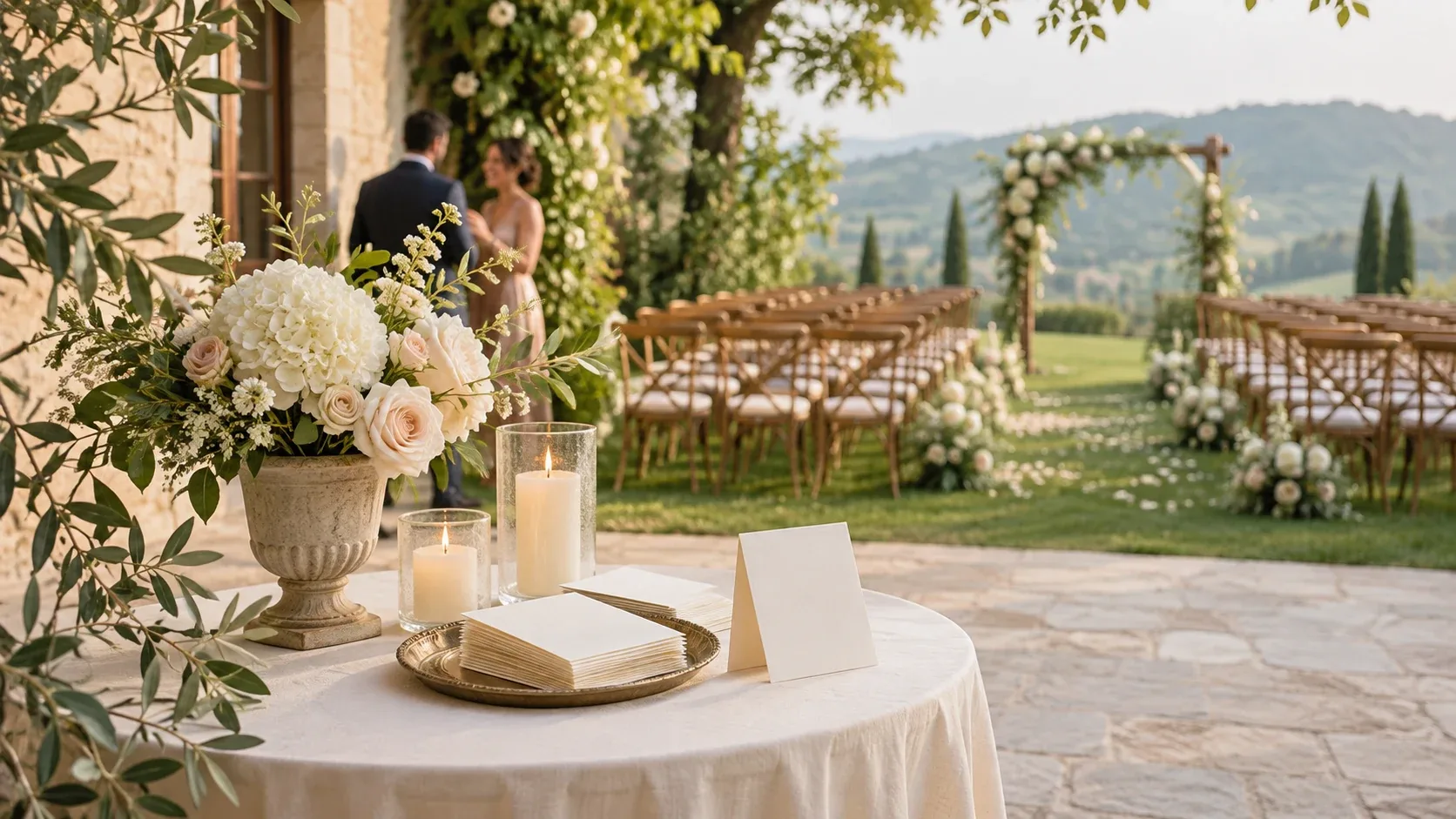
Use the website checklist to separate the short invitation from supporting details. Test the invitation link with someone outside the planning process. Ask them to identify where to go and how to reply without help. Set the RSVP deadline from the suppliers' actual requirements, leaving time to clarify incomplete responses. Send important changes directly as well as updating the page.
For a six-month plan, compress the calendar but keep the decision order. Use the first two weeks to establish budget, guests and venue feasibility; contact essential suppliers as soon as the date is settled; then develop design and guest details alongside bookings. These are planning suggestions, not guaranteed supplier lead times. Simplify custom elements if they threaten the practical schedule.
Step 6: make a schedule and assign the handover
Build the day around fixed commitments: venue access, ceremony, meal service and finish time. Add preparation, travel, photographs and changeovers using estimates from the people responsible. If two events appear to touch with no transition, check whether people or equipment need to move. The wedding day timeline provides examples to adapt.
Prepare a private handover with the dated run sheet, supplier contacts, layouts, arrival inventory and collection responsibilities. Name who can approve changes and any decisions that still require the couple. Keep guest-facing schedules simpler. The aim is for someone else to understand what happens next while you are in the ceremony or spending time with guests.
Review the plan weekly using four questions: what needs a decision, what payment is due, which supplier is waiting for information and what have guests been told? Assign one owner and deadline to each action. Move tasks into the monthly checklist only when they have a clear output. This keeps the process useful even if your wedding does not follow a standard twelve-month schedule.
Wedding planning questions
What should you do first after getting engaged?
Begin with priorities, confirmed funds and a realistic guest list. Those choices narrow the venue search and stop you requesting detailed quotes for celebrations you do not want or cannot comfortably host. You can collect visual inspiration in parallel, but let it support the feasible event rather than replace those decisions.
Can you plan a wedding in six months?
Yes, when suitable venues and suppliers are available and you can make decisions promptly. Confirm ceremony requirements early, reduce optional custom work and delegate clear tasks. The shorter schedule makes dependencies and supplier deadlines more important. Use an existing venue package where it fits your needs instead of assuming you must organise every element separately.
When your arrangements are ready to share, preview Aurelia invitations with your real details. Use the invitation and website for guest communication while keeping budgets, contracts and the supplier handover in private planning records.
Part of our wedding websites guides. Start with What Is a Wedding Website, and Do You Really Need One?, or see every guide on this topic.