Wedding Websites·6 min read
Wedding Guest Experience: 20 Thoughtful Ideas Your Guests Will Appreciate
Improve the wedding guest experience with 20 practical ideas, a guest-journey audit and a method for prioritising information, comfort and transport.

By Aurelia Editorial Team · Wedding stationery & planning guides
Published
Before the day: remove uncertainty
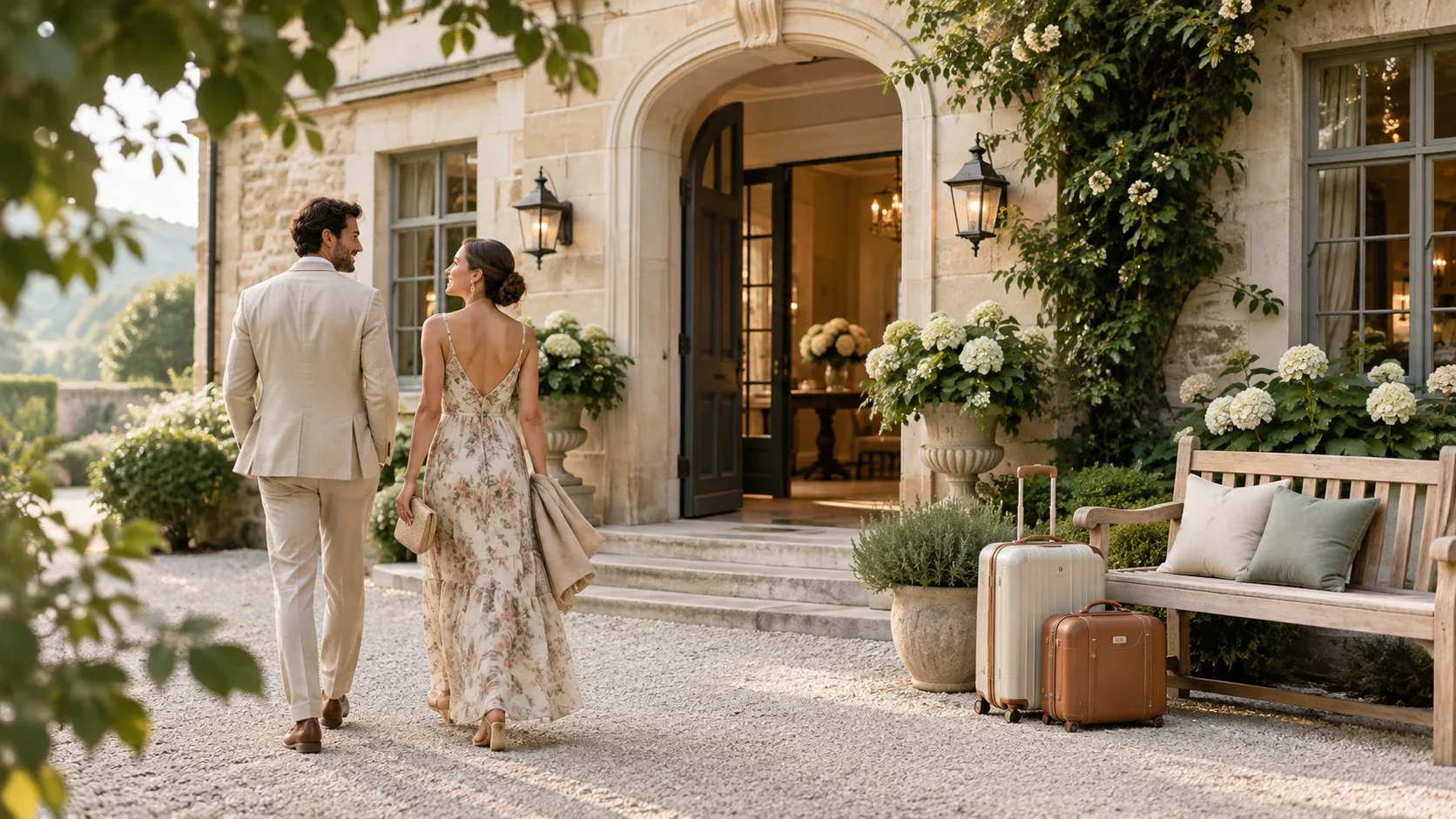
- 1. Share confirmed travel details early. Out-of-town guests need dates and locations before they can assess the trip, even if your decor is undecided.
- 2. Say exactly who is invited. Named guests and event-specific invitations prevent awkward assumptions about partners and children.
- 3. Give one clear source of current information. Keep addresses, times and transport notes together, with a direct contact for questions.
- 4. Offer a manageable reply method. Keep RSVPs focused, and provide help for anyone who cannot use the online option.
- 5. Ask about practical requirements privately. Give guests a way to discuss access or dietary needs without putting personal details into a public group chat.
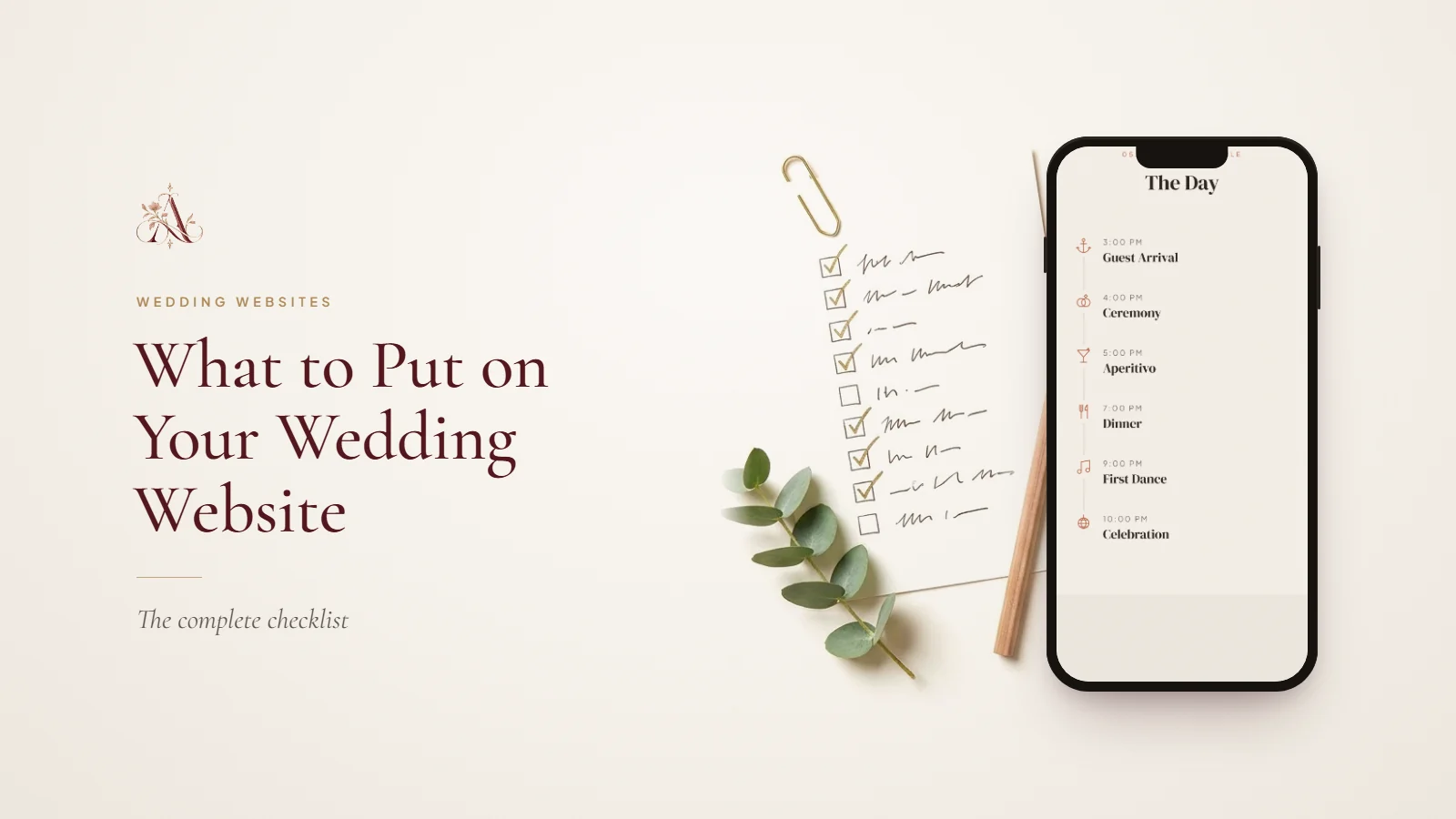
Test the information with someone who has not helped plan the wedding. Send the actual invitation and ask them to identify the event scope, date, arrival time, address and reply route. Then ask where they would look for accommodation or transport. If they need explanations, improve the wording or navigation before sending widely. Use the website checklist to make one reliable guest-information page rather than placing essential facts across several messages.
Arrival and ceremony: make the venue easier to use
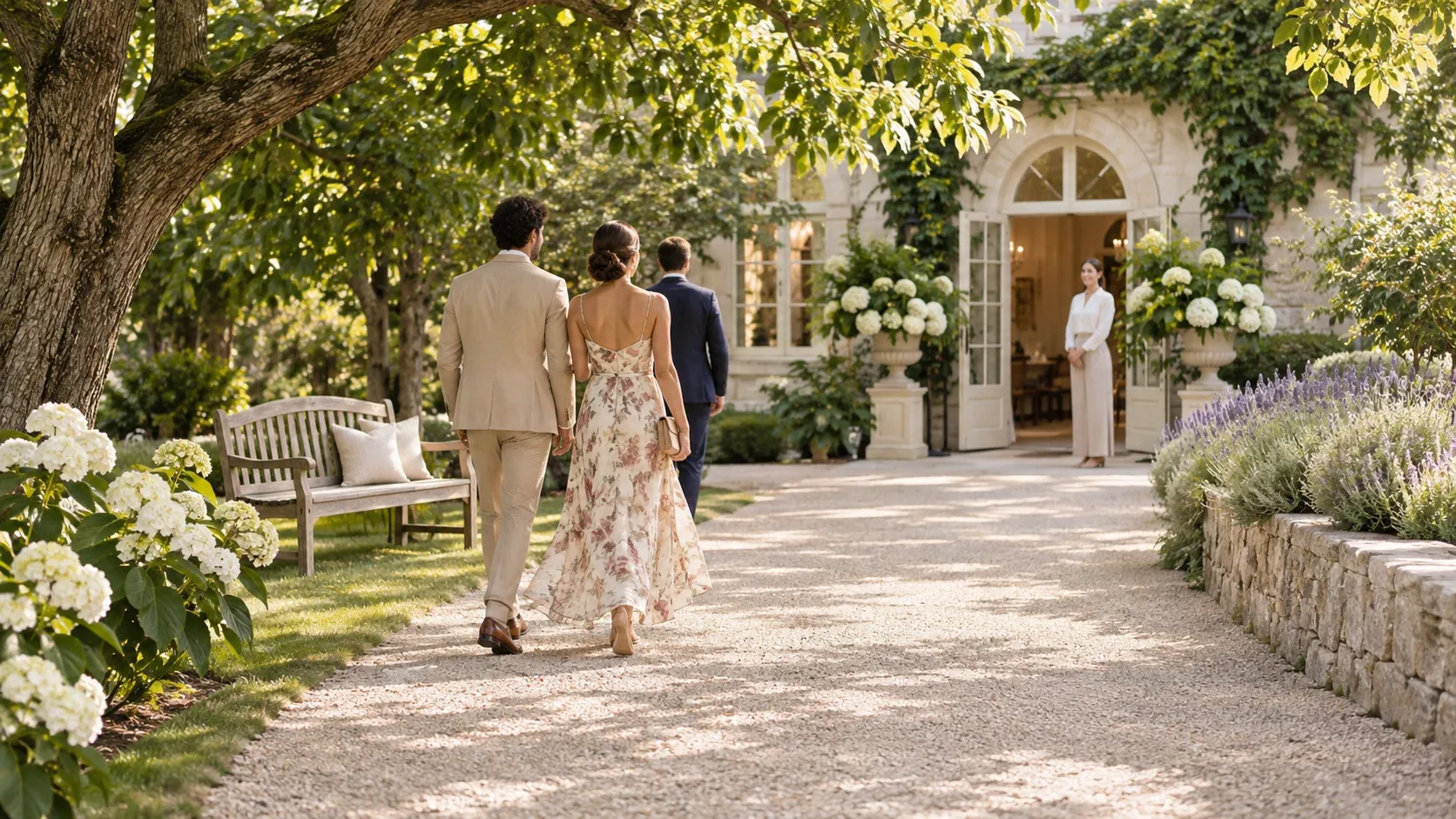
- 1. Check the route guests will actually take. Follow the journey from parking or drop-off to the ceremony and toilets. Confirm steps, surfaces and alternatives with the venue.
- 2. Identify a welcoming person. A named arrival contact can direct people without the couple having to answer every call.
- 3. Provide seating while people wait. Consider guests who cannot comfortably stand for a long arrival window.
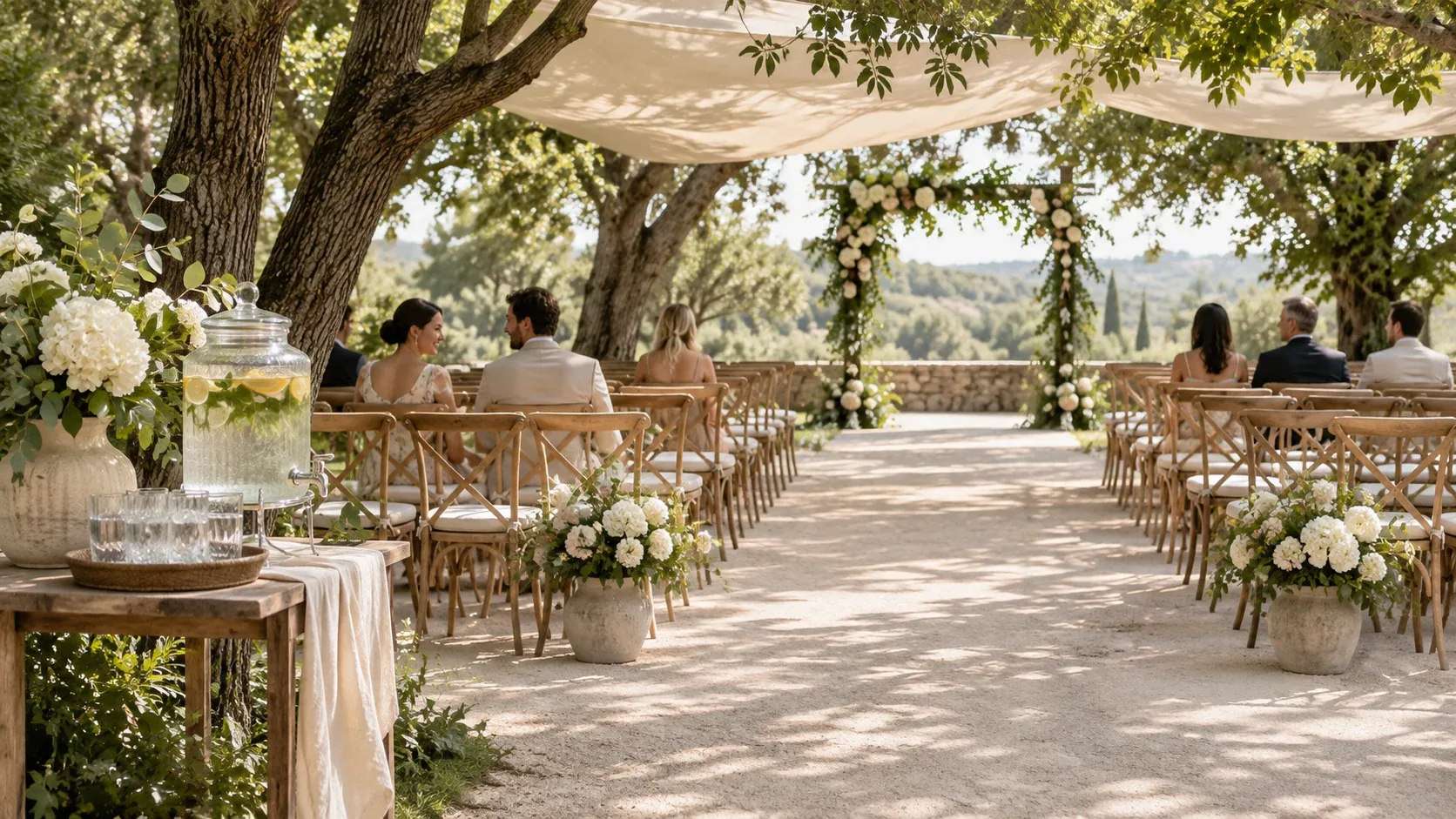
- 4. Plan for weather where guests are exposed. Discuss shade, shelter and an indoor alternative with the venue. Tell guests about suitable footwear or layers when useful.
- 5. Check that guests can hear the ceremony. Agree microphones, placement and sound checks with the people providing the ceremony and equipment.
Reception: prioritise comfort over constant activity
- 1. Avoid an unexplained long gap. If a gap is necessary, give guests somewhere to go and tell them whether refreshments are provided.
- 2. Make seating information easy to find. Use readable names and ensure someone can help with late changes.
- 3. Coordinate dietary information with the caterer. A form response starts the conversation; it is not confirmation that every need can be met. Ask the caterer how guests should verify arrangements.
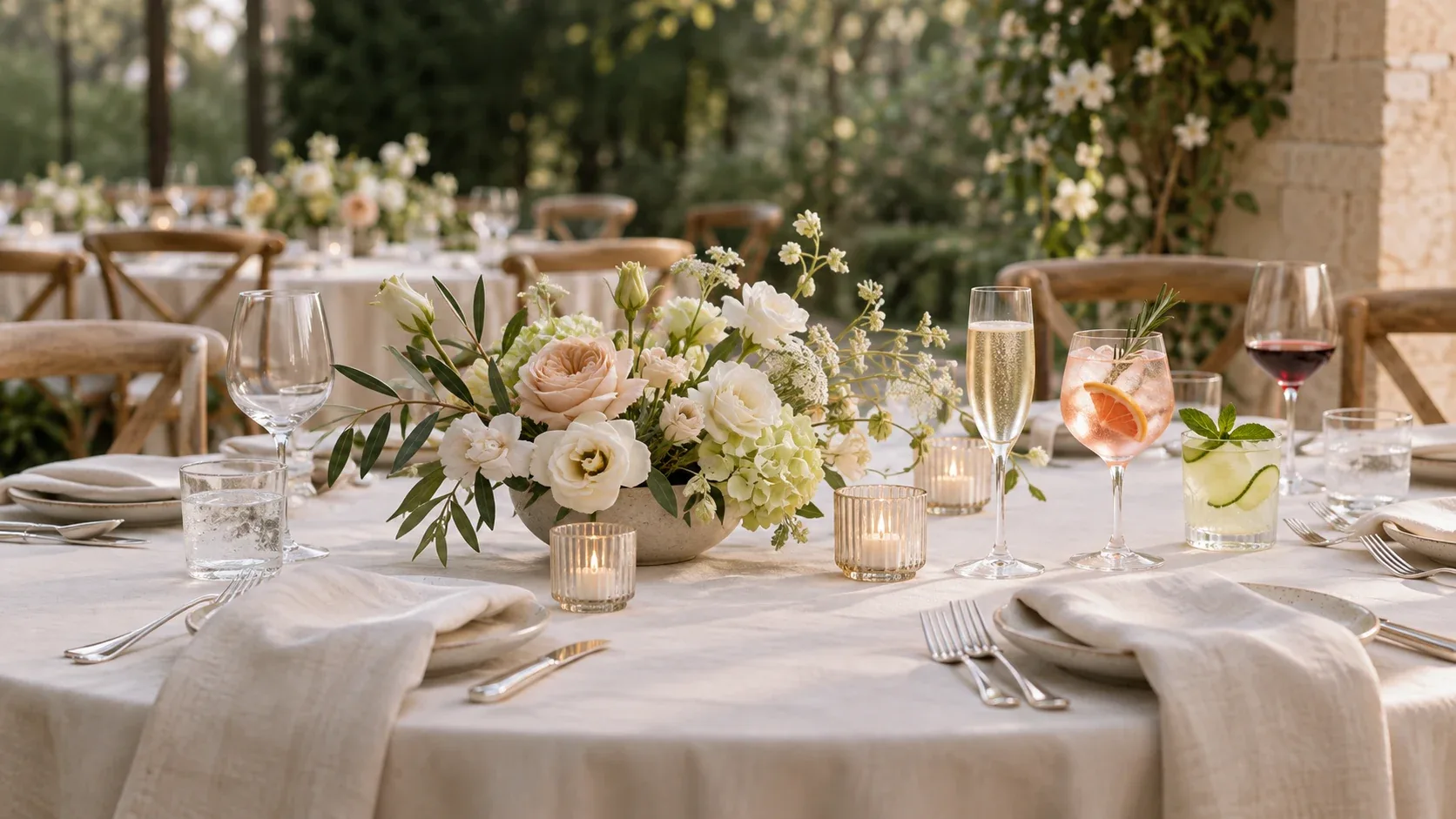
- 4. Include appealing non-alcoholic drinks. Make their availability visible instead of leaving guests to ask repeatedly.
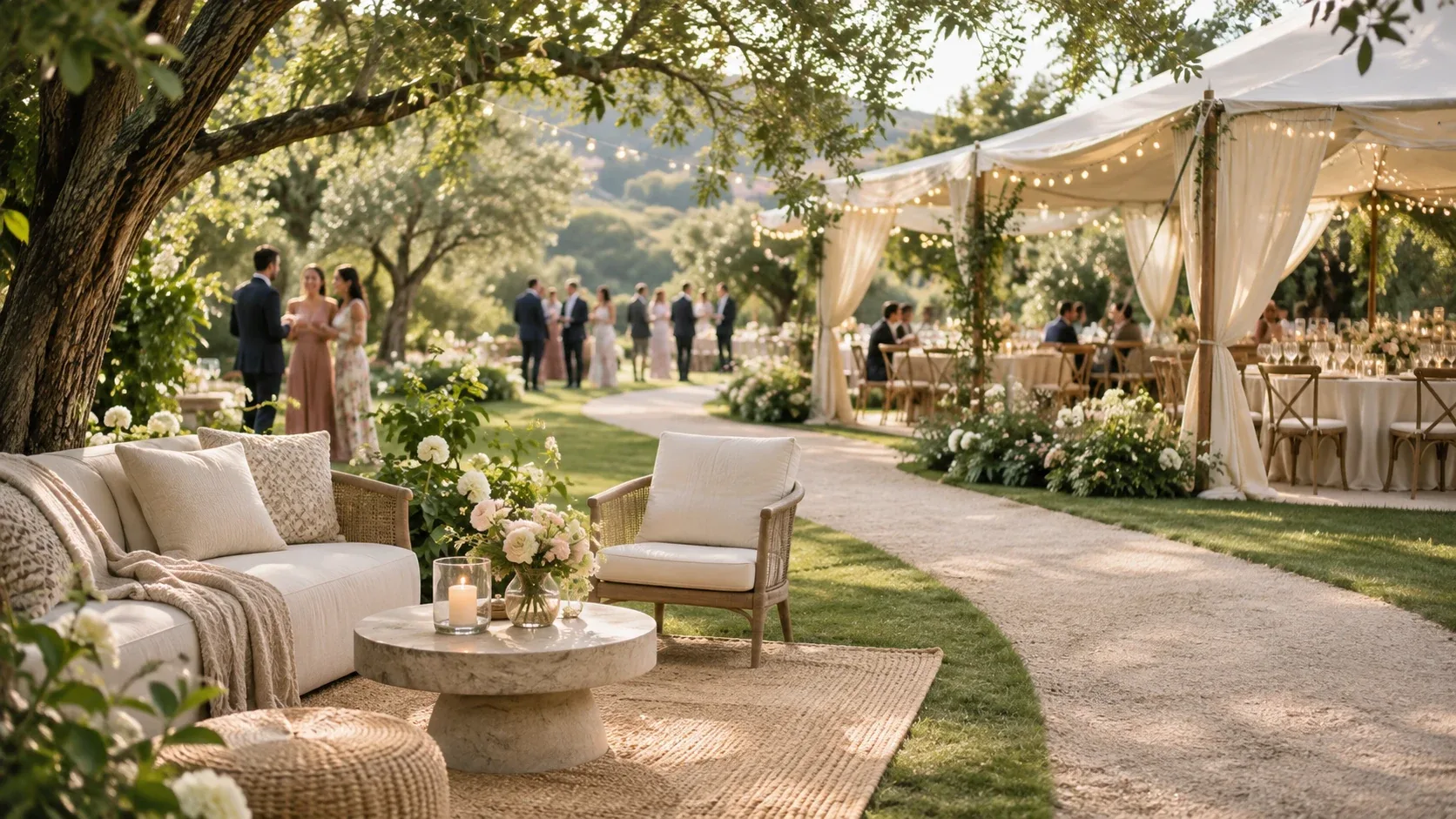
- 5. Provide a quieter place to pause. If the venue can accommodate one, explain where guests can take a break from louder areas.
Treat dietary and access responses as a starting point for a private conversation with the relevant guest and provider. Confirm what the venue or caterer can actually arrange, and tell the guest how that will work. Do not promise that ticking a form means every requirement is accommodated. Assign someone to check outstanding questions before final numbers are supplied; keep personal details out of public schedules and group chats.
Departure and the following morning
- 1. Publish the transport plan. Include pickup locations, departure times and what guests should arrange themselves.
- 2. Keep departure routes usable after dark. Ask the venue to confirm lighting and access rather than relying on a daytime viewing.
- 3. Make additional events clearly optional. People may need rest, childcare time or an earlier journey home.
- 4. Explain what is hosted and what is paid separately. This helps guests decide without embarrassment or surprise.
- 5. Thank people personally. A note that recognises their presence or help can mean more than another item added to the table.
Choose improvements by the problem they solve
Walk through the day as a guest from another town who does not know your friends. Start with booking travel, then arriving at the entrance, finding a seat, moving to dinner and leaving after dark. At each point ask: what information is missing, where can I wait, and who can help? Follow the real route, including toilets and pickup points. A venue tour that focuses only on the ceremony view misses many of the moments that shape the experience.
Use a simple priority matrix: how many guests are affected, how much difficulty the issue creates and how difficult it is to fix. Missing pickup instructions may affect 40 people and take a short call and website update; another entertainment booking may solve no existing problem. Assign one owner and deadline to each chosen improvement. This turns “make guests comfortable” into concrete actions instead of an open-ended shopping list.
For an illustrative guest journey, imagine a couple staying 20 minutes away without a car. They need to know whether transport is provided, which entrance to use and whether the last shuttle returns to their hotel. A welcome bag does not answer those questions. Confirm the route, publish the details and identify a contact if plans change. Use the accommodation guide and day timeline to connect the decisions.
Guest experience questions
Can you improve hospitality without spending more?
Yes. Better wording, clear timings and an available arrival contact often improve the day without new decorative purchases. First remove avoidable confusion: conflicting addresses, unexplained gaps or an unclear reply deadline. Then consider spending on a specific unmet need, such as seating in a waiting area or transport from a difficult location, rather than adding an experience solely to make the programme longer.
How do you handle a requirement the venue cannot meet?
Discuss the actual requirement privately and explain the options the venue or supplier has confirmed. Let the guest decide what works for them rather than assuming a generic alternative is suitable. Describe practical features accurately: routes, surfaces, seating and facilities. If a planned arrangement changes, contact affected guests directly and update the relevant information before they travel.
Preview the guest journey in an Aurelia invitation: invitation, practical details and RSVP. Keep the page current, provide a direct contact for help, and use private planning records for the supplier and personal information guests do not need.
Part of our wedding websites guides. Start with What Is a Wedding Website, and Do You Really Need One?, or see every guide on this topic.