Design Ideas·6 min read
Vintage Wedding Ideas: Antique Lace, Romantic Details & Modern Elegance
Plan a vintage wedding with 12 practical ideas, three era-inspired palettes, a hire-or-buy example and tips for matching invitations to your venue.
By Aurelia Editorial Team · Wedding stationery & planning guides
Published
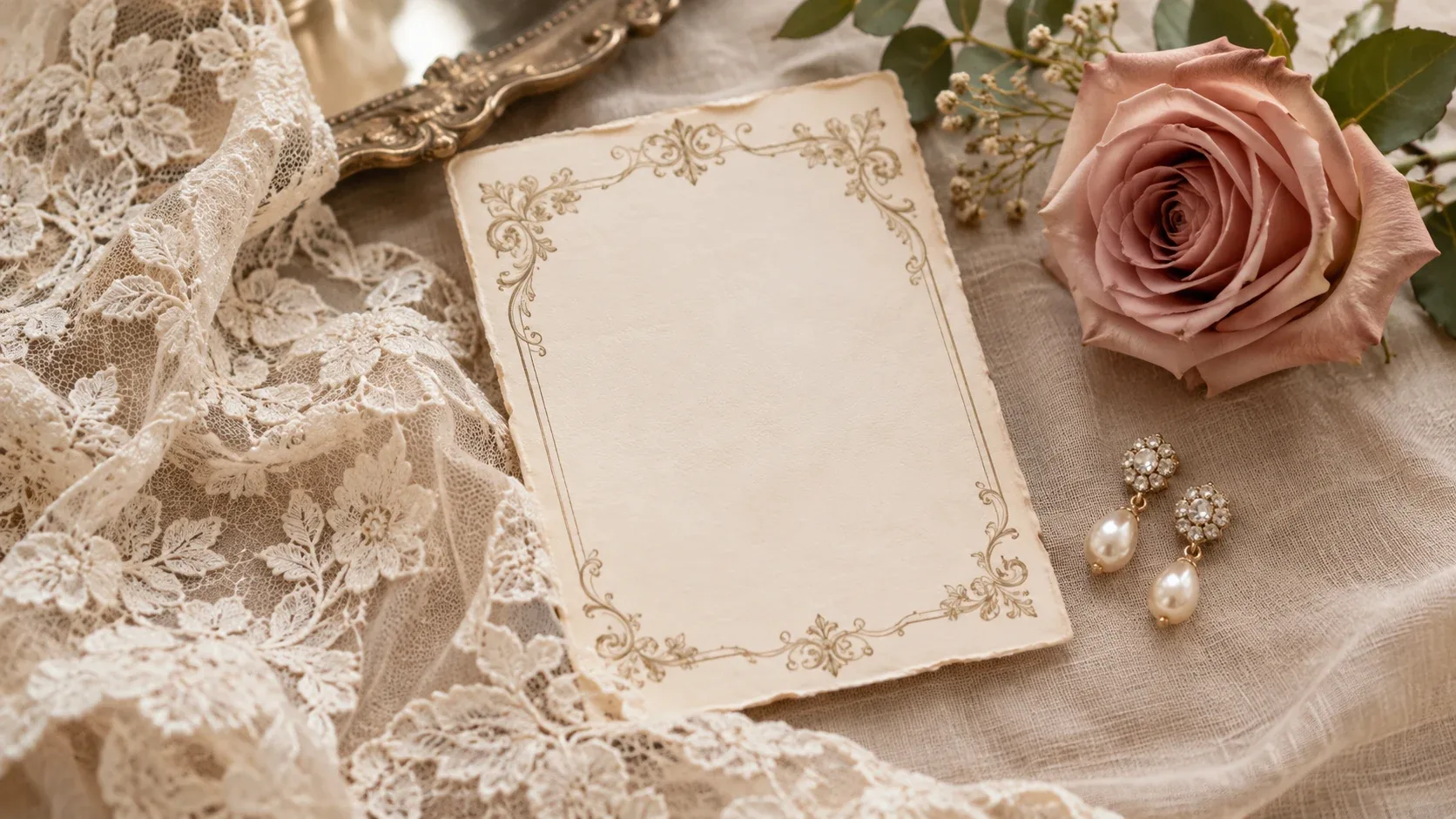
Choose a reference you can explain
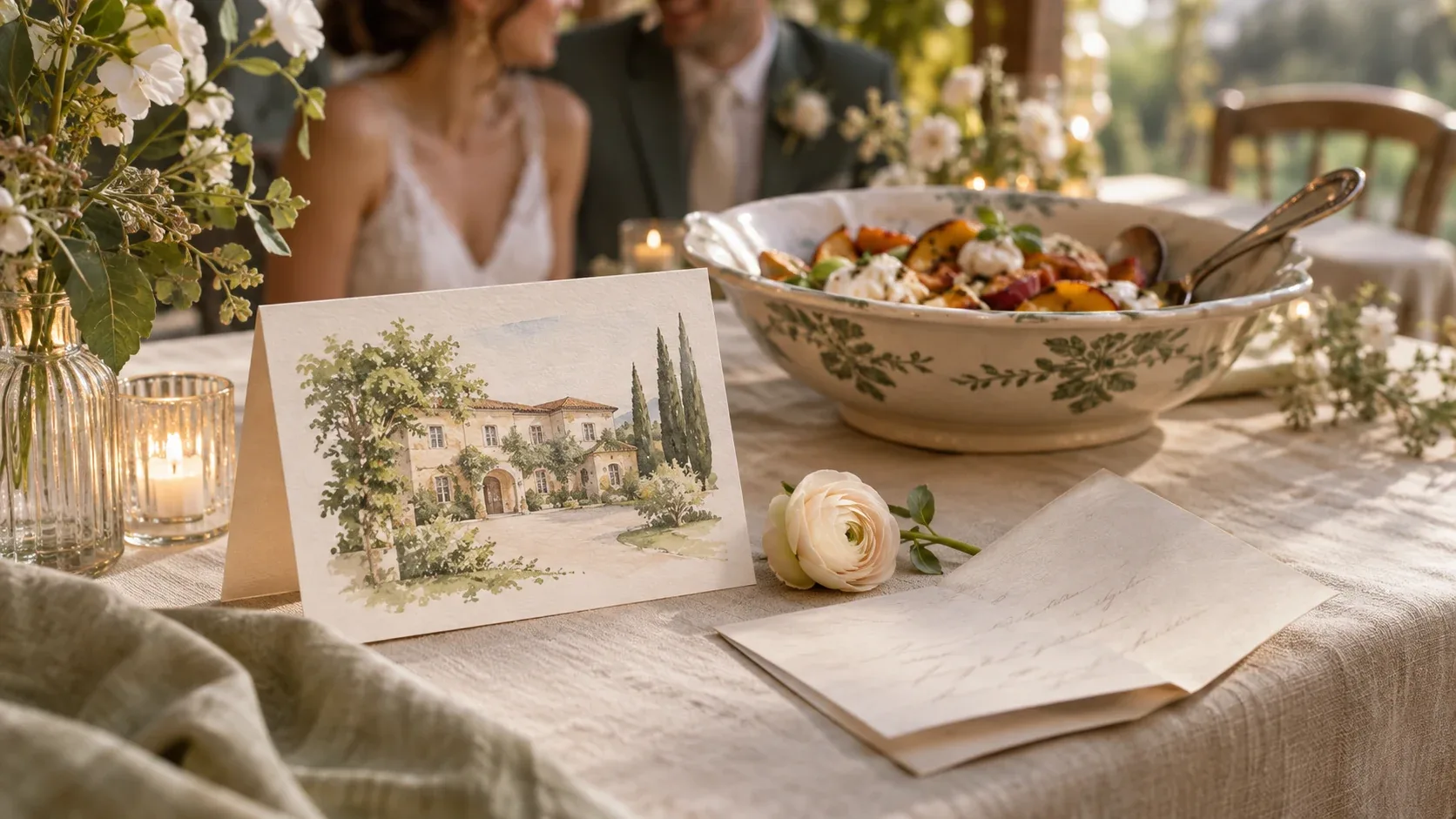
Start with the object or atmosphere you want to preserve. For a Victorian-inspired garden wedding, try warm ivory, dusty rose and dark green, with a lace edge and small floral illustrations. For an Art Deco evening, try black, cream and a muted metallic accent, with geometric framing and simpler flowers. For a relaxed mid-century supper, use pale blue, warm white and walnut tones with clear lettering. These are our design recipes, not rules about historically correct weddings. Choose the option that works with the room you have booked.
Heritage details feature in The Knot's 2027 forecast, but the useful question is what the reference means to you. Photograph your chosen heirloom or family image and mark the details you want to borrow: perhaps its colour, border or lettering. Share that annotated reference with suppliers. A specific brief such as “use the lace pattern as an invitation edge, with plain cream tables” is easier to deliver than “make everything vintage”.
12 vintage details to consider
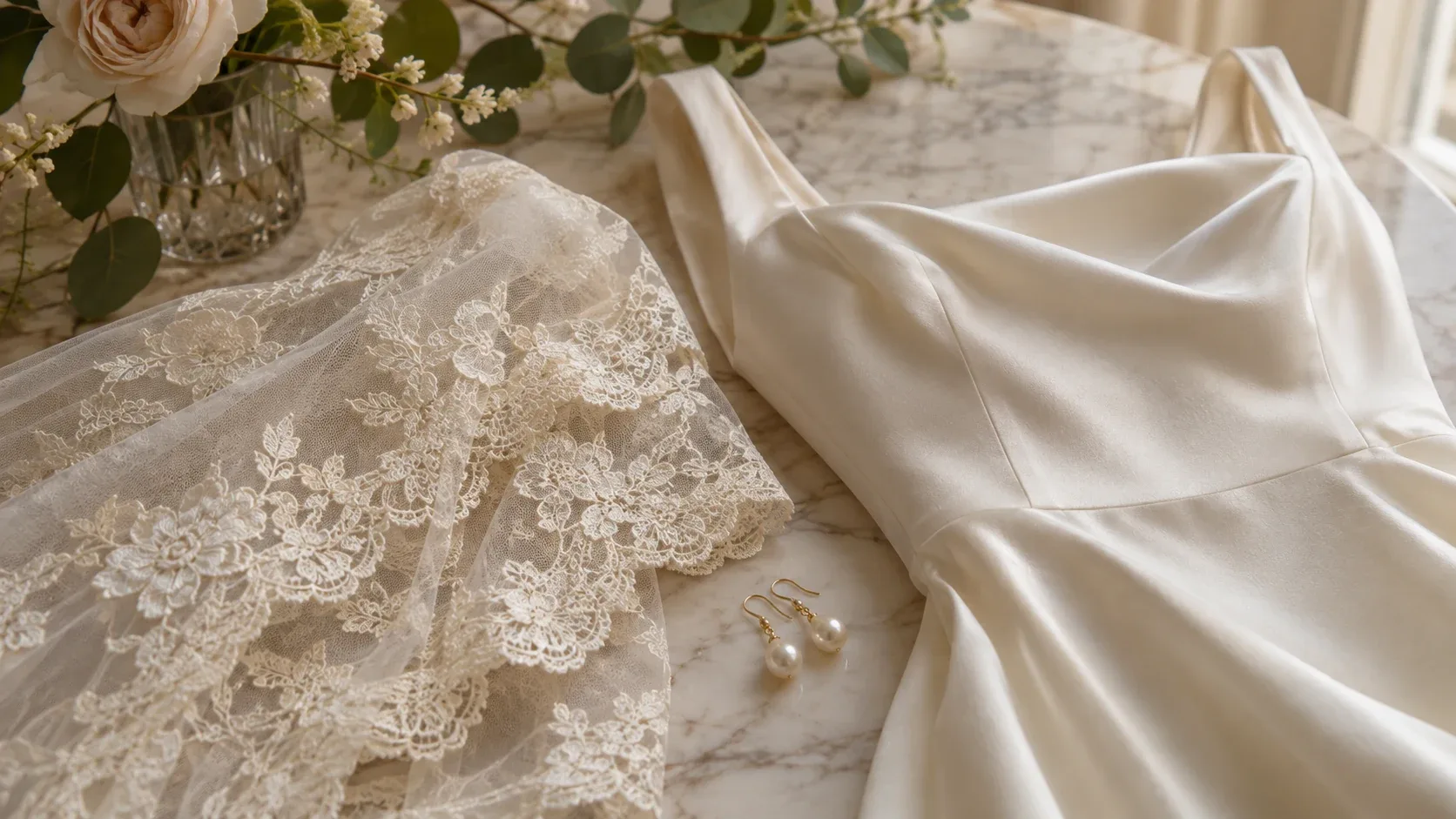
- 1. A borrowed piece of jewellery. Make it the personal detail and keep nearby accessories simple. Agree who looks after it before and after the day.
- 2. A lace accent. Use lace on a veil, ribbon or small stationery detail rather than every surface. Ask the owner or an appropriate specialist before altering delicate inherited fabric.
- 3. A family photograph display. Choose a few images with clear captions. Use copies where originals would be at risk from handling, weather or heat.
- 4. A restrained floral motif. Repeat one illustration on invitations and menus rather than combining many unrelated patterns.
- 5. Borrowed serving pieces. Confirm they are suitable for the intended use and agree cleaning and return arrangements.
- 6. A muted, layered palette. Cream, dusty rose and a deeper green can be an editorial starting point; test it against the venue rather than treating it as a fixed recipe.
- 7. A simple contemporary dress with one heirloom detail. The contrast lets the personal object remain visible without requiring a complete period costume.
- 8. A venue with existing character. Architectural details may provide the atmosphere without extensive additions. Check the functional layout as carefully as the appearance.
- 9. A handwritten note. A short personal line can feel more intimate than buying another decorative item for every place setting.
- 10. A meaningful music choice. Include a song connected to your family, while checking who will cue it and how it fits the ceremony or reception.
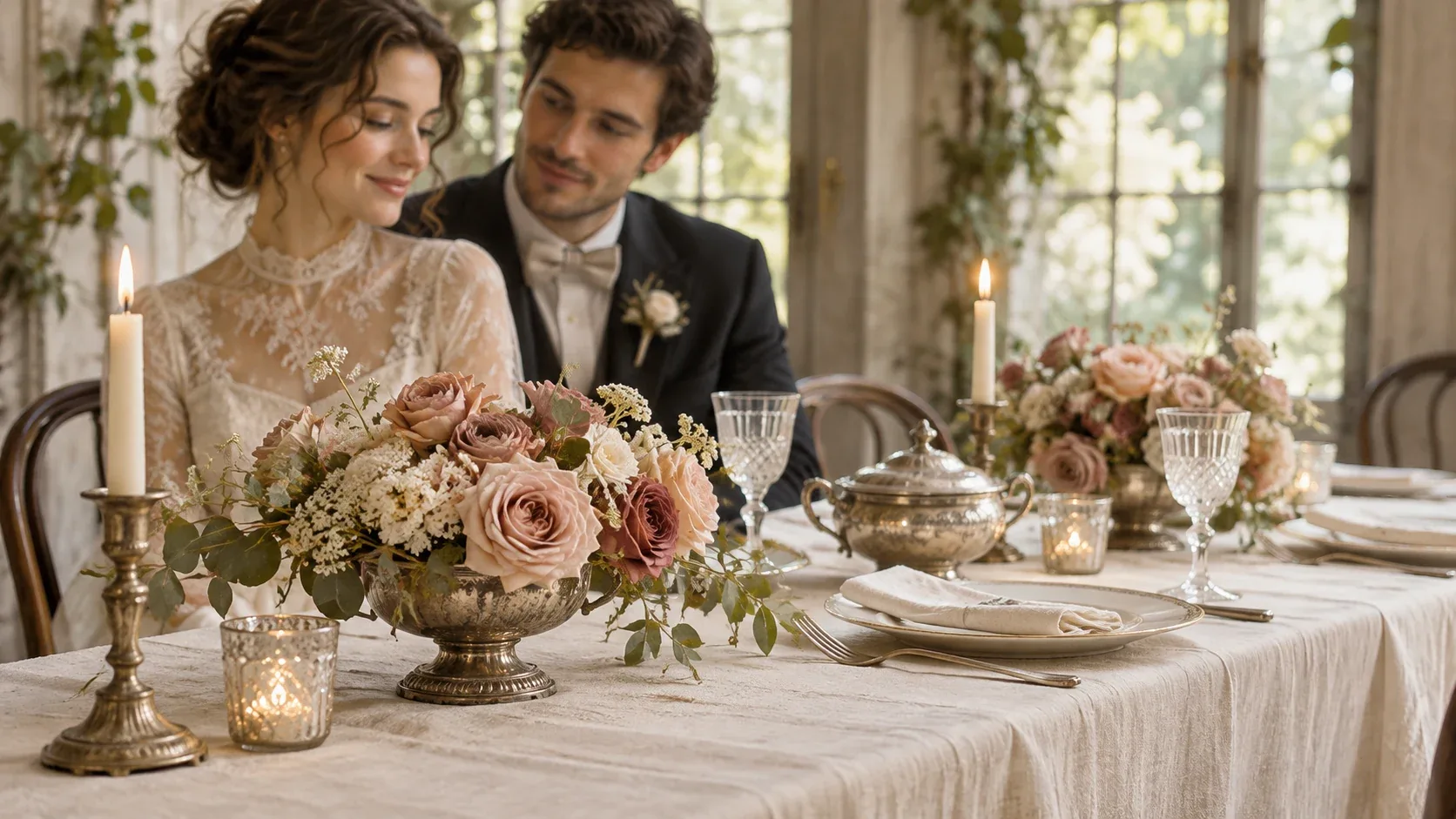
- 11. Soft linen and limited pattern. Let one textile be the feature. Keep enough uncluttered table space for guests and service.
- 12. An elegant invitation border. Pair the decorative element with clear text so the style never hides the date, address or RSVP instructions.
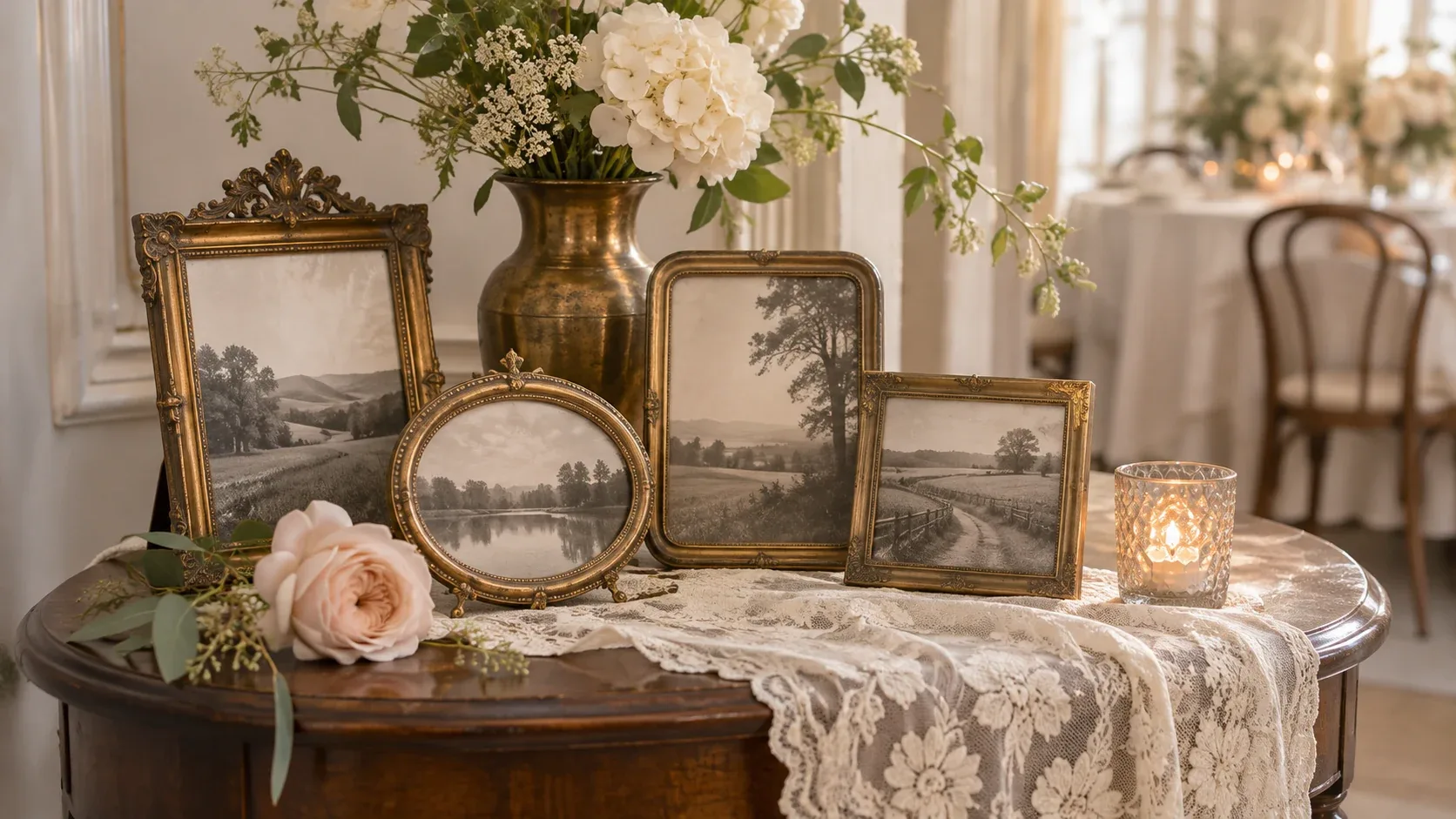
Balance old references with modern function
| Vintage feature | Keep it practical |
|---|---|
| Decorative lettering | Use a simpler typeface for times and directions |
| Antique-style seating | Confirm stability, comfort and the actual quantity available |
| Candlelit atmosphere | Ask the venue about permitted lighting and alternatives |
| Borrowed objects | Label ownership and assign return responsibility |
| Family photographs | Protect originals and explain who appears in them |
Use an editing test before approving rentals: identify the main feature, the supporting texture and the quiet background. On a table with patterned plates, for example, use plain linen and restrained flowers rather than adding a competing printed runner. Take a photograph of one complete sample place setting, including glasses and serving dishes. If the practical pieces no longer fit, remove decoration first. This lets you check the actual result rather than judging attractive items separately.
Rent, borrow or buy deliberately
Make a sourcing sheet with item, quantity, condition, hire price, purchase price, delivery, cleaning, return date and owner. Group pieces by their job: guest seating, food service, decorative display or a sentimental object. You may be happy with mismatched display frames while needing a consistent set of serviceable chairs. Check the final quantities against the confirmed layout before collecting individual bargains. An incomplete set that needs several extra trips can cost more than a single coordinated hire.
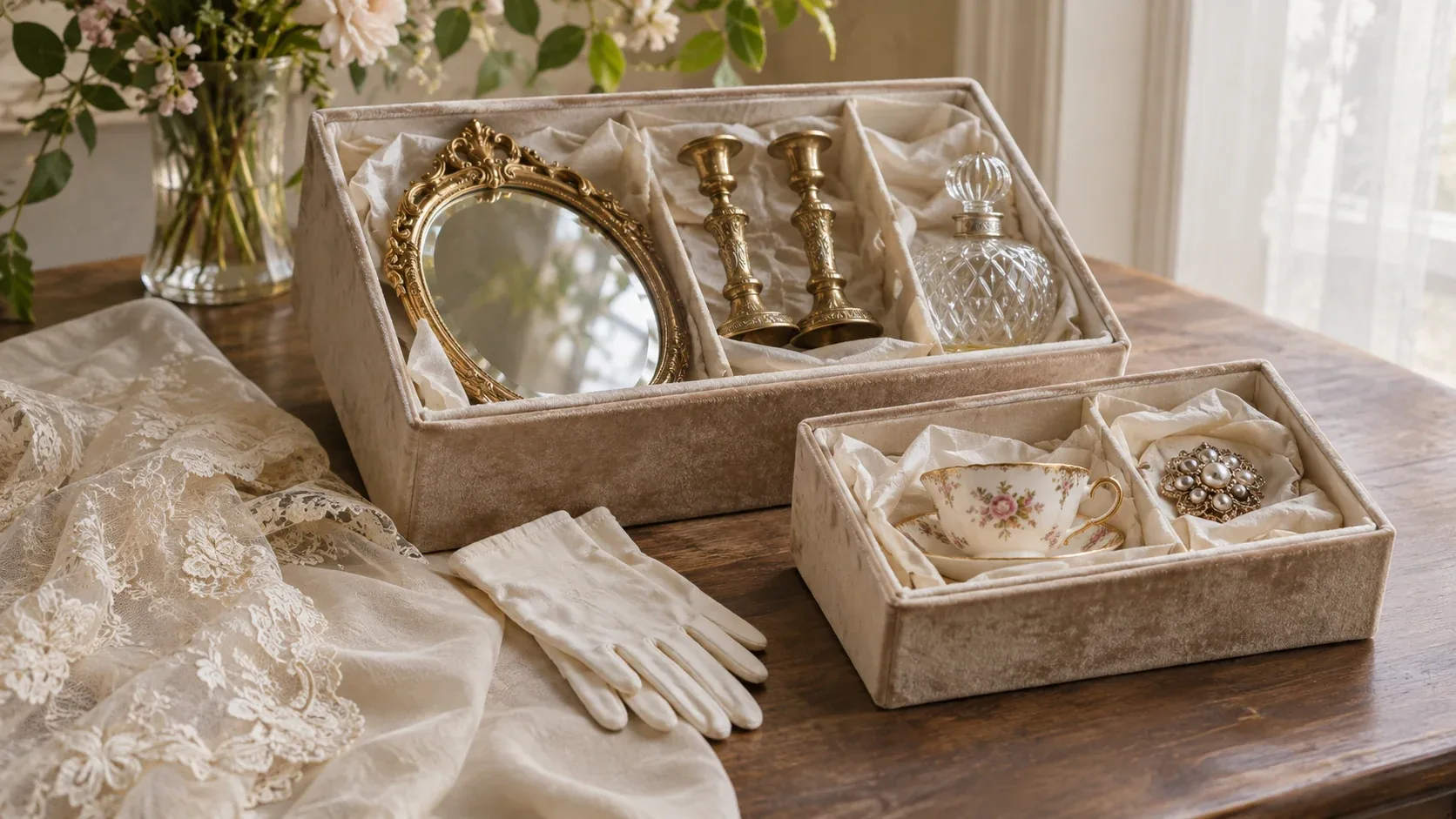
For an illustrative comparison, 40 hired display pieces at £3 each plus £35 delivery total £155. Buying 40 at £2 each, adding £30 transport and £50 cleaning or packing totals £160 before your time. These are invented planning figures, not supplier prices. The important lesson is to compare the same quantity and include the work after the reception. Buy when you want to keep the pieces or can confidently manage resale; hire when collection and storage would become a burden.
Assign one person to track borrowed items with a photo, lender, arrival box and return contact. Keep irreplaceable objects away from areas where staff clear glasses or flowers, and use copies of family photographs for open displays. Tell the setup team which pieces are sentimental and which are rentals. Your pack-down list should say where every important object goes after the celebration; a decorative inventory without a collection plan only solves half the job.
Carry the style into the invitation
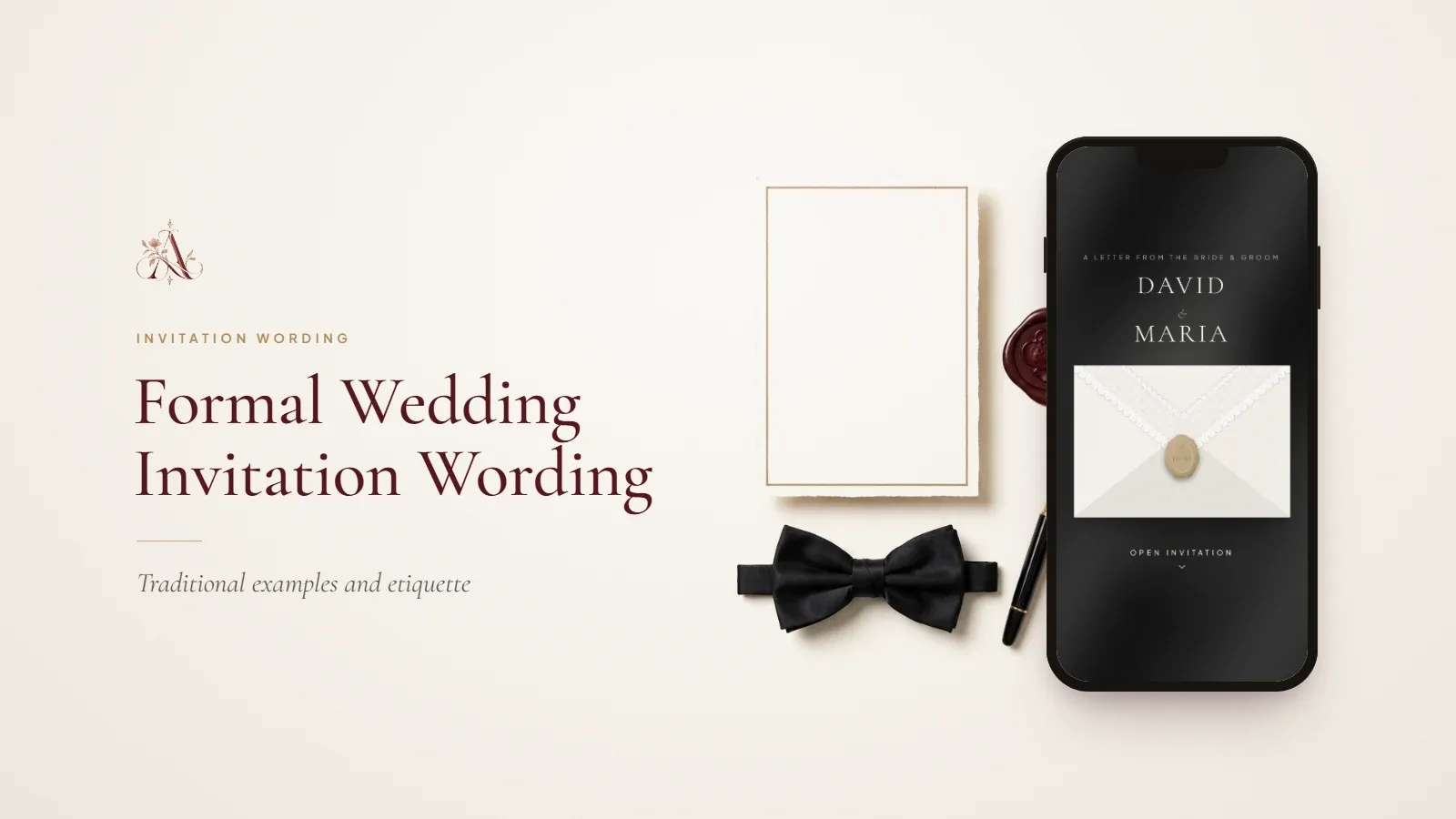
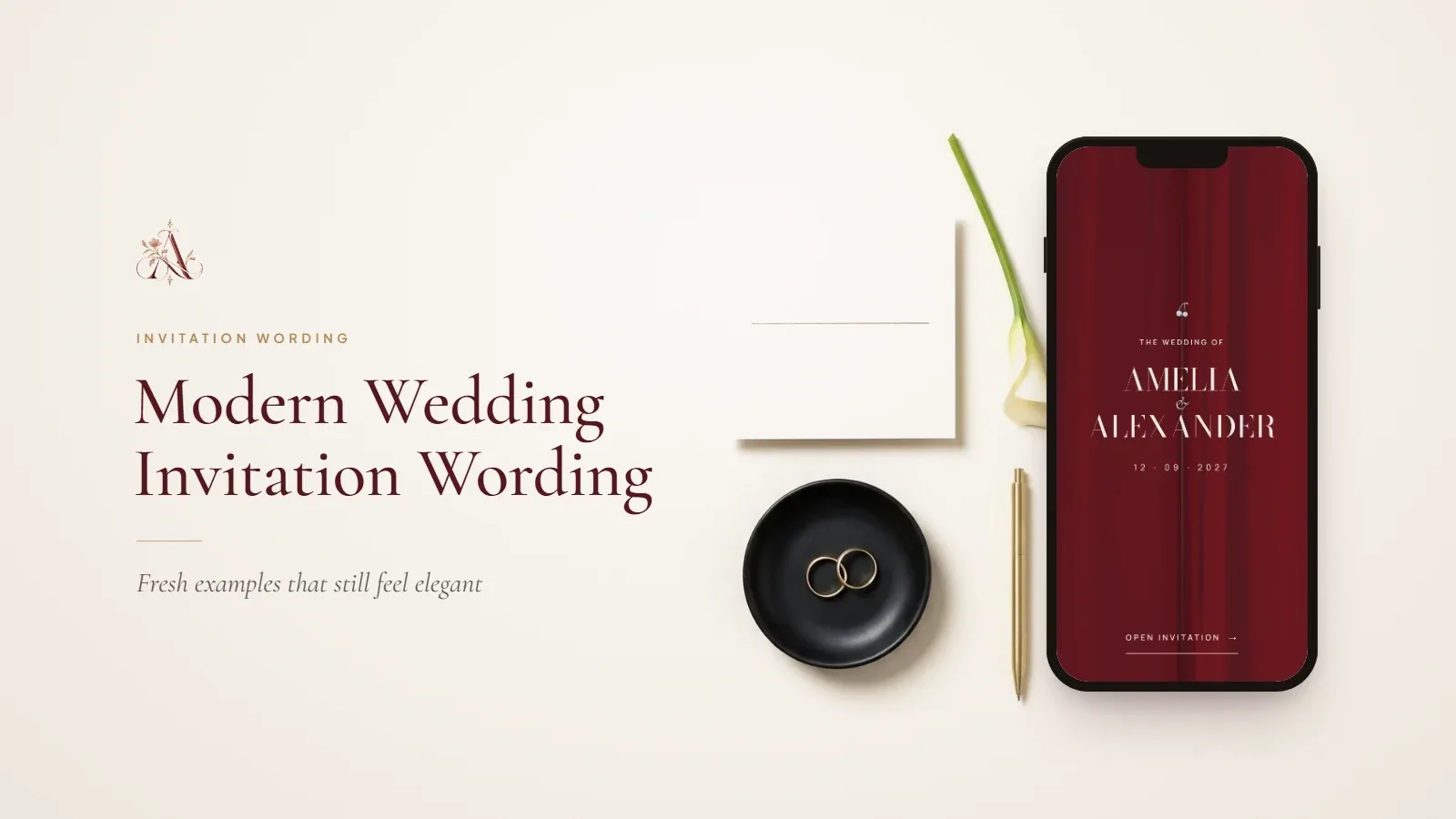
Translate the style into an invitation with one decorative device and one readable information area. A lace-inspired border can frame names in script while the date, address and RSVP use a simpler typeface. An Art Deco design may use geometric framing with dark lettering on cream. Match the tone using the formal wording guide or modern wording examples, then place maps and longer travel notes on the website.
Vintage wedding questions
Can vintage styling feel modern?
Yes. Keep the period reference in a few visible details while using current layouts, lighting and guest communication. A contemporary dress with an inherited veil or a simple table with antique-style glassware can feel more considered than a complete period recreation. Choose which element leads and give the others room.
Do you need genuine antiques?
No. Reproduction pieces, borrowed objects and botanical artwork can create a vintage mood without rare antiques. Spend on pieces that are meaningful, visible or useful. Ask owners before altering inherited fabric or jewellery, and describe new objects honestly rather than giving them an invented history.
Preview the vintage invitation collection with your own names and wording. Look for a design that echoes your chosen era while keeping the date, venue and reply instructions easy to find.