Design Ideas·6 min read
How to Personalize Your Wedding: 20 Ideas That Reflect Your Story
Make your wedding personal with 20 story-led ideas, a practical planning worksheet and examples that translate memories into useful details.

By Aurelia Editorial Team · Wedding stationery & planning guides
Published
Start with three prompts
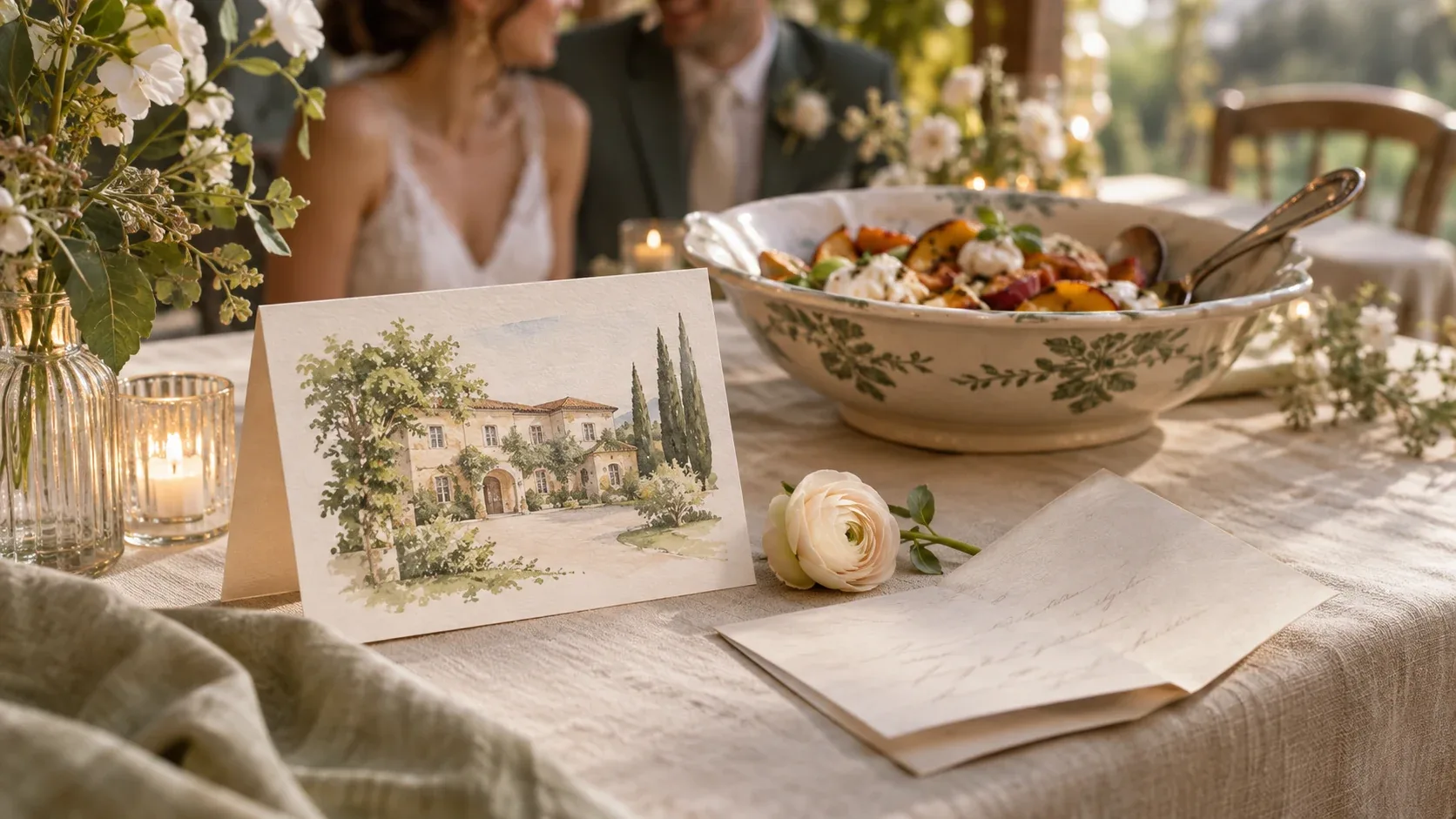
Answer these prompts separately: where do we feel most at home together, which people or traditions have shaped us, and what do we enjoy sharing with others? Then compare the answers for concrete connections. A favourite family supper may suggest a menu detail; a place you return to may suggest colours; a shared love of music may suggest a ceremony piece. Choose the references that mean something to both of you rather than starting with products labelled “personalised”.
Translate each reference into an experience or a visual cue. For a couple who met while studying, an important city could inspire one illustration or a table name rather than an entire classroom theme. A family recipe might inform a single course instead of requiring relatives to cater. These are invented examples to show the method. Ask whether the detail tells a recognisable story, works for guests and can be delivered within the event's practical limits.
20 personalised wedding ideas
Ceremony and people
- 1. Choose a reading with a connection. Ask the ceremony provider about suitable options and the person reading about their comfort with the role.
- 2. Write a short personal introduction. A few specific sentences about your relationship can give guests context without making the ceremony much longer.
- 3. Invite a willing person to contribute. Offer a clearly defined role rather than assuming someone wants to speak publicly.
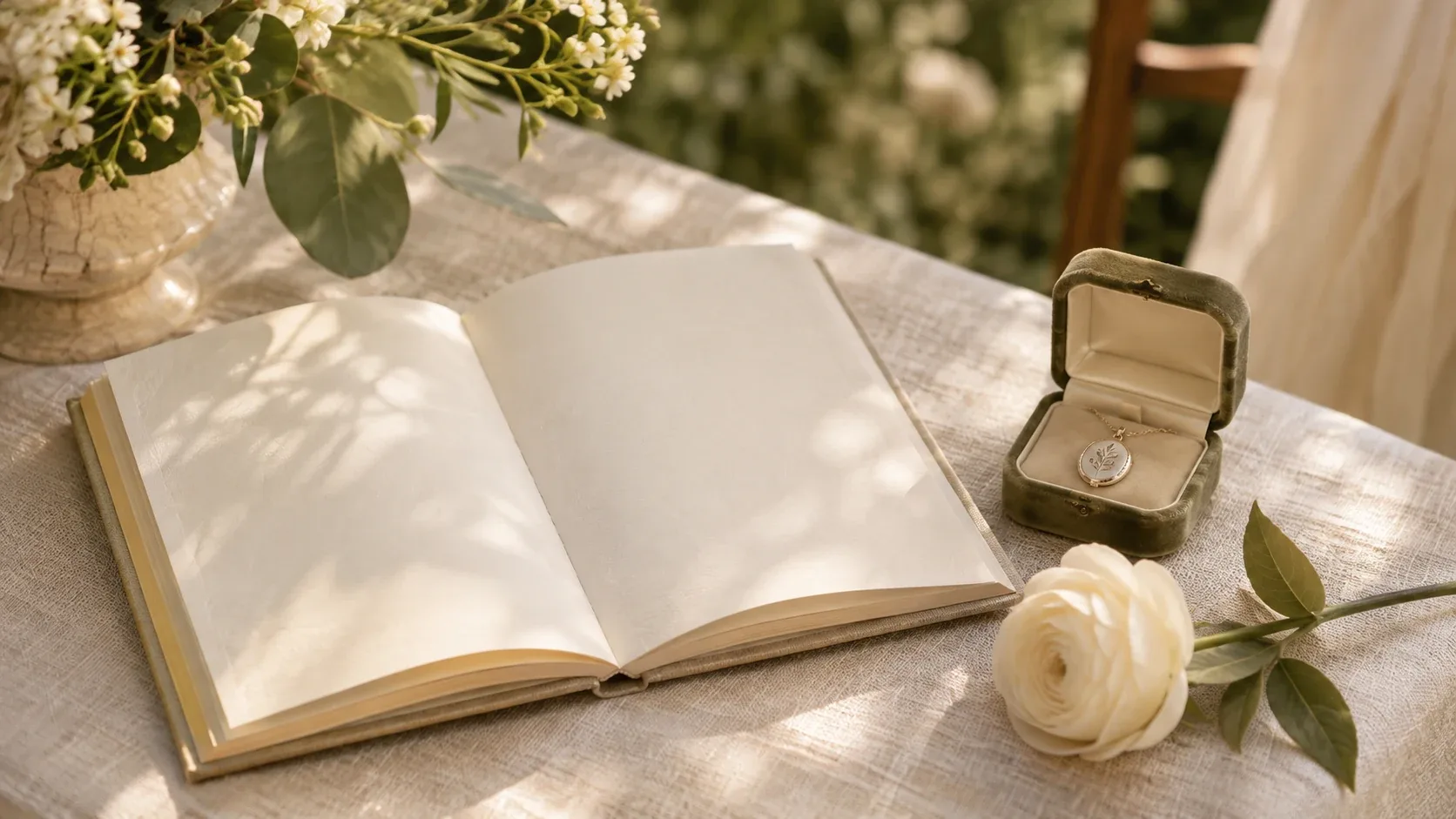
- 4. Include a meaningful family object. Arrange who brings it, handles it and takes it home.
Design and stationery
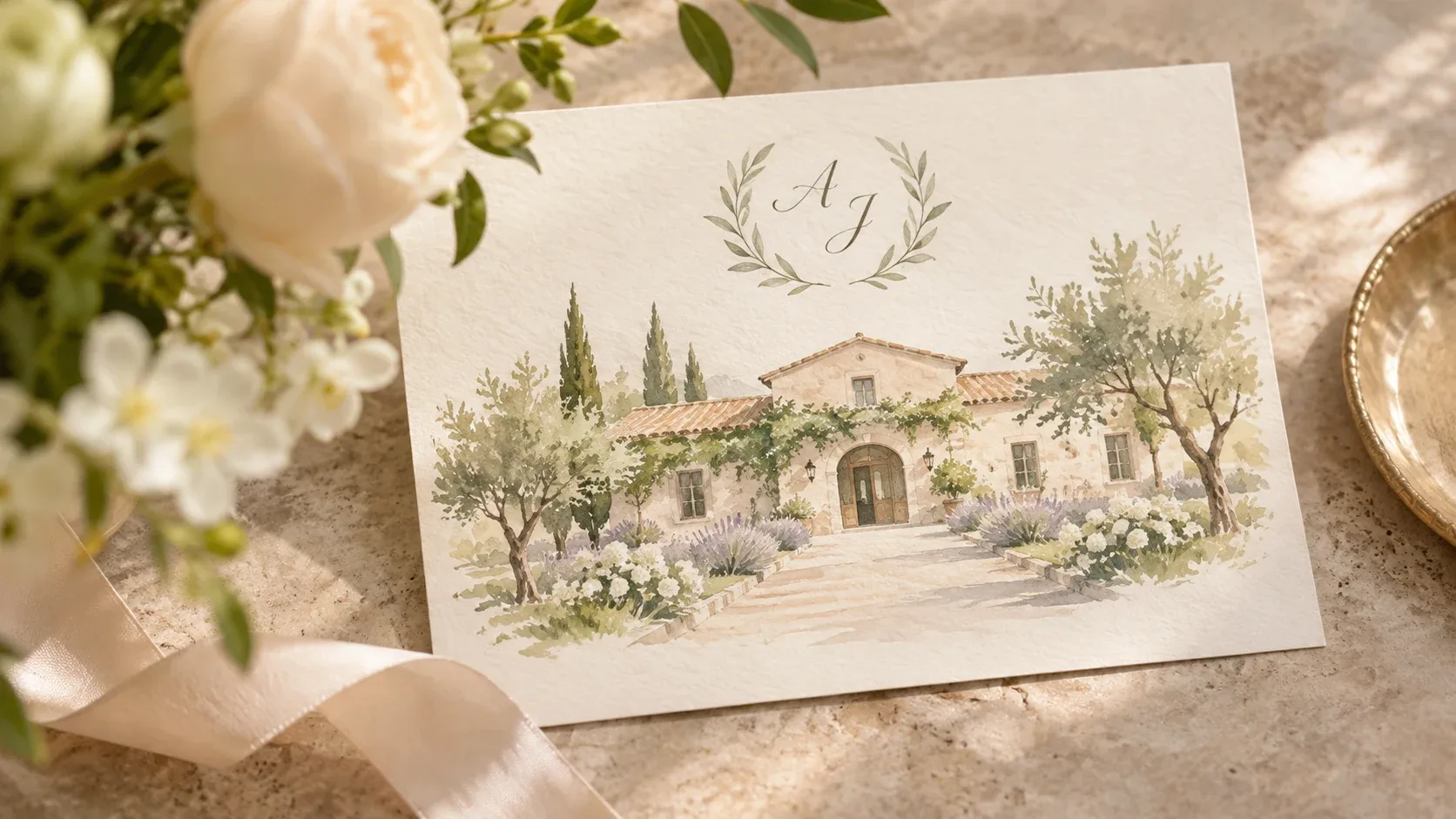
- 1. Use a venue illustration. Choose artwork that introduces the place rather than adding a detailed picture behind important text.
- 2. Create a small monogram. Use it selectively and keep a simple version for small applications.
- 3. Choose colours with a personal reference. A place, painting or garden you love can guide the palette without becoming a literal theme.
- 4. Write invitations in your own tone. Keep the essential details complete even if the opening feels informal or playful.
Food and music

- 1. Include a favourite dish. Discuss how it can be prepared and served within the caterer's menu and kitchen arrangements.
- 2. Tell the story behind one menu choice. A short line is enough; every course does not need a long explanation.
- 3. Choose music from different parts of your lives. Give the musician or DJ priorities and cues rather than an inflexible list for every minute.
- 4. Offer a meaningful non-alcoholic drink. Give it the same attention as other drinks and make it easy for guests to find.
Hosting and shared memories
- 1. Introduce guests with care. A few thoughtful introductions can help people from different parts of your lives feel included.
- 2. Use table references with a clear story. If you name tables after places, keep the seating information readable and easy to navigate.
- 3. Add a short personal note. Focus on what you appreciate about the person rather than producing identical messages with different names.
- 4. Make space for something you enjoy. A relaxed shared meal or a short walk can reflect you more clearly than an additional performance.
Family, culture and the days around the wedding
- 1. Discuss traditions with the people connected to them. Ask what matters and what participation involves before deciding how to include it.
- 2. Explain unfamiliar moments briefly. Give guests enough context to take part respectfully, with guidance from the relevant people or ceremony provider.
- 3. Choose a welcome gathering that suits your way of hosting. It can be coffee or informal drinks rather than another formal dinner.
- 4. Send a specific thank-you afterwards. Mention the person's presence, help or gift with a detail that makes the message theirs.
Use a story-to-detail worksheet
| Personal reference | Possible detail | Practical owner |
|---|---|---|
| A place you return to | Invitation artwork or a palette | Designer and the couple |
| A family recipe | One menu element, if suitable | Caterer, with family input |
| Shared love of live music | A short performance at a meaningful moment | Musician and schedule owner |
| Appreciation for a relative | A reading or a private thank-you | The willing participant |
Use the worksheet to specify the connection and the job. For each idea, record the story, proposed detail, guest-facing explanation if needed, cost, owner, deadline and any approval. A sentimental photograph, for example, needs permission for its intended use, a suitable display and a person collecting it. A meaningful reading needs a willing reader and agreement with the ceremony provider. Personal meaning does not remove the need for a simple plan.
Keep the plan manageable
Score your shortlisted ideas against three questions: does this express something important, will someone experience it meaningfully, and can we deliver it without distracting from the day? Choose a few anchor details rather than customising every object. A short note at each place may be more personal than a dozen printed initials, but only if you have time to write the notes thoughtfully. An idea becomes less useful when its production takes over the final weeks.
Set a completion boundary for custom projects and decide the simpler fallback in advance. If an original illustration is delayed, a coordinated existing design may still introduce the celebration well. Keep a small decision log so optional ideas do not return as assumed commitments. Use the mood board guide for visual references and welcome message examples for a voice that sounds natural rather than promotional.
Personalisation questions
Can you personalise a wedding on a small budget?
Yes. Personal choices often come from words, music, introductions or the structure of a gathering rather than purchases. Tell guests why one menu item matters, thank someone specifically or choose a reading with a real connection. Include any supplier work and time in the plan. A small personal detail delivered well is more useful than an elaborate project you cannot finish.
Can you keep traditions and still make the day feel like you?
Yes. Discuss what a tradition means with the people connected to it, then agree how it fits your ceremony and event. Ask about participation, timing and any guidance guests need. Explain changes privately and respectfully where they affect others. Do not treat a cultural practice as only a decorative theme or assume every family interprets it in the same way.
Preview Aurelia invitations with your own welcome wording and chosen visual reference. Carry the story into the guest experience selectively, then use the thank-you wording guide after the celebration to recognise people with specific personal notes.