Design Ideas·6 min read
Luxury Wedding Ideas on a Budget: 15 Ways to Make Your Day Feel Elevated
Create an elegant wedding on a budget with 15 practical ideas, a full-cost comparison and a simple method for choosing high-impact upgrades.

By Aurelia Editorial Team · Wedding stationery & planning guides
Published
Define what “luxury” means to you
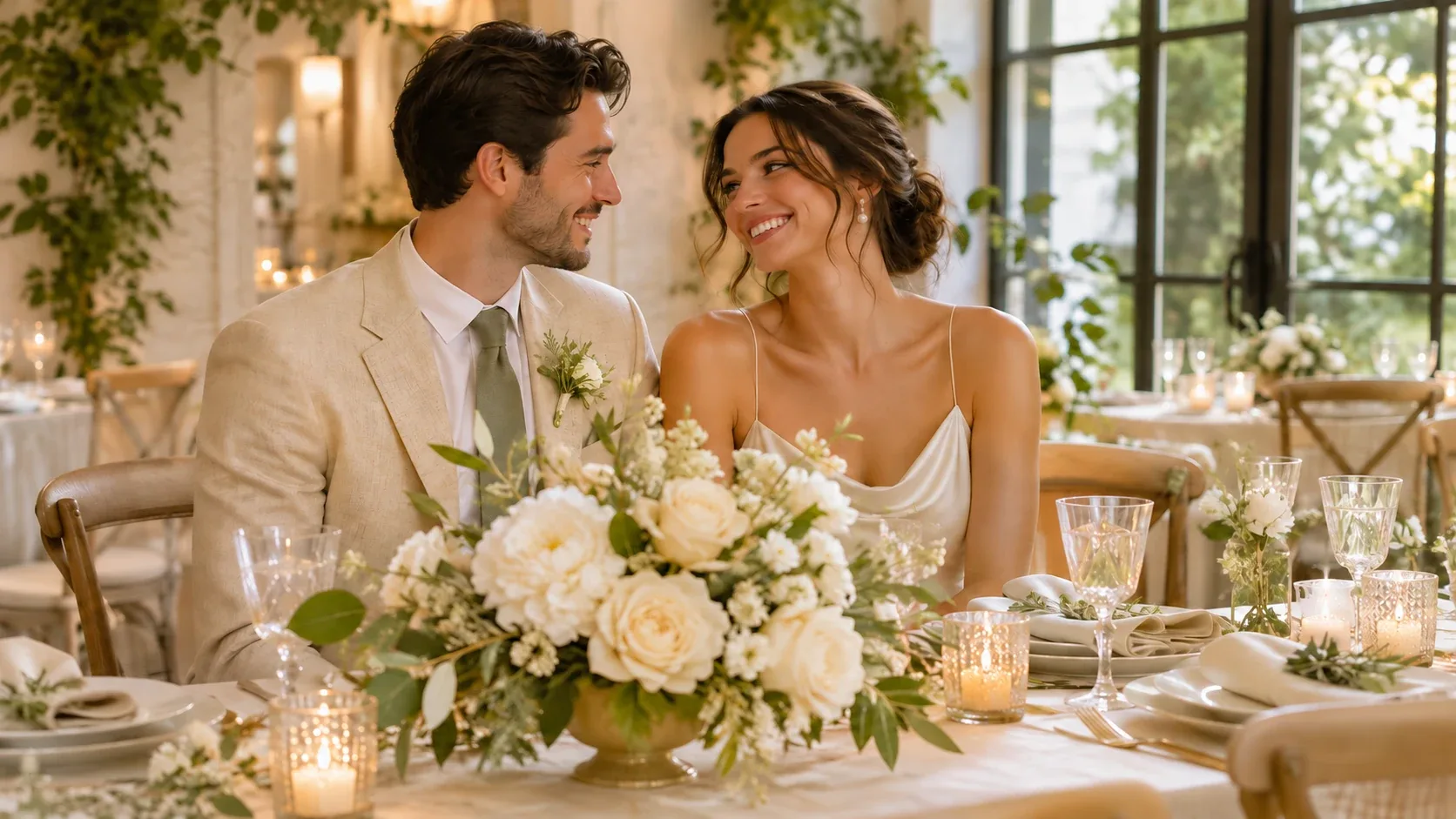
Write three priorities as outcomes: “a beautiful dinner setting”, “time to speak to guests” and “photographs we love”. Then allocate spending to what supports them. For the dinner setting, that might be linen, lighting and a strong centrepiece; it does not necessarily require new chairs, charger plates and separate favours. Give every proposed upgrade a job. If neither of you can explain what it changes for the experience, leave it outside the first version of the budget.
Build two workable event concepts before comparing decorations. An intimate restaurant dinner with existing furniture and experienced service may offer more of what you value than an empty venue requiring extensive rentals. Compare the same guest count and hosting scope, including food, drinks, staffing and the event length. An attractive hire fee alone says little about the final result. Use the budget breakdown guide to keep essential costs visible while you decide the style.
15 ways to make your wedding feel elevated
Make the setting work harder
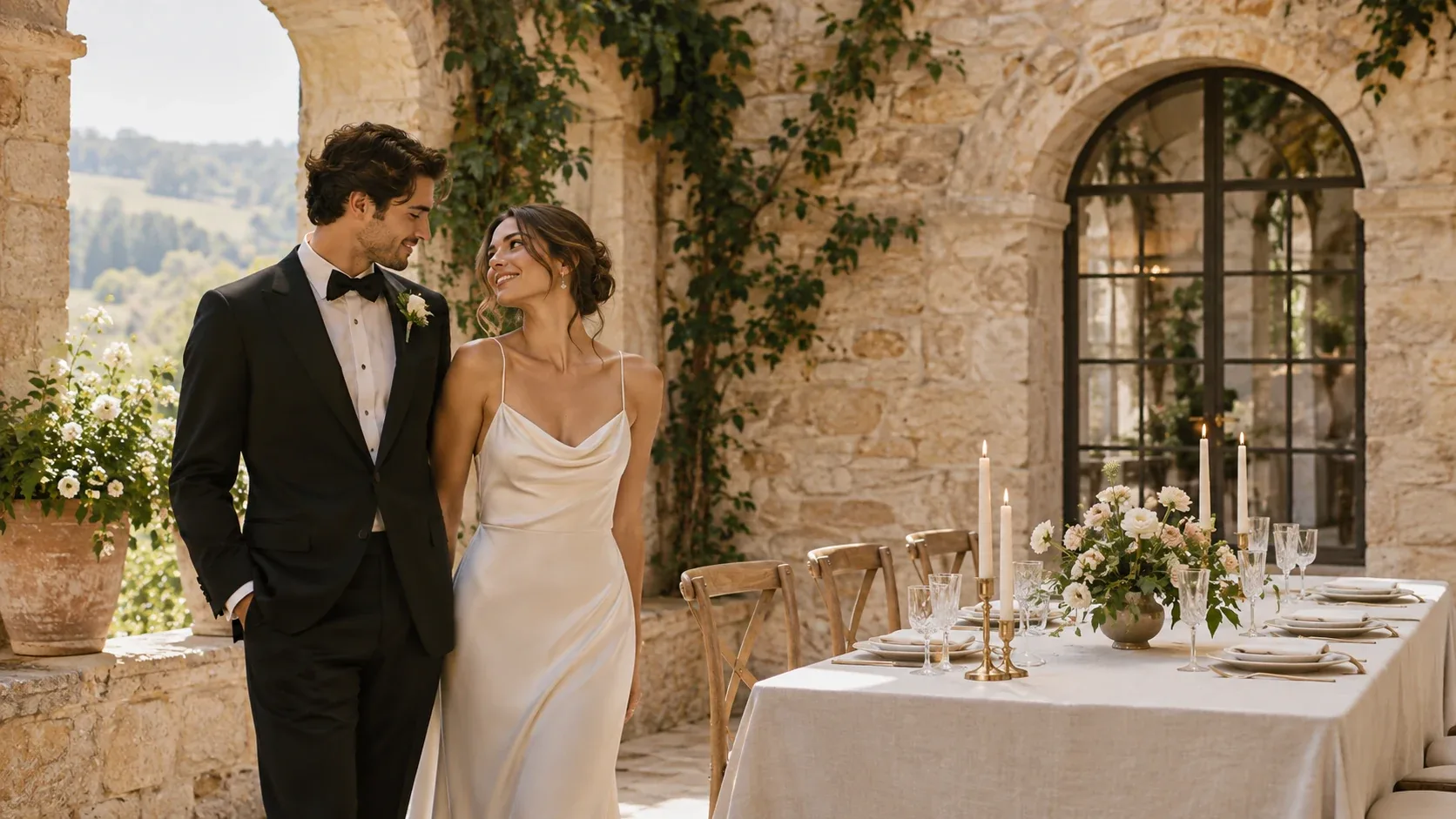
- 1. Choose a venue with character you already like. Compare the full hire and service cost, including anything you would need to add.
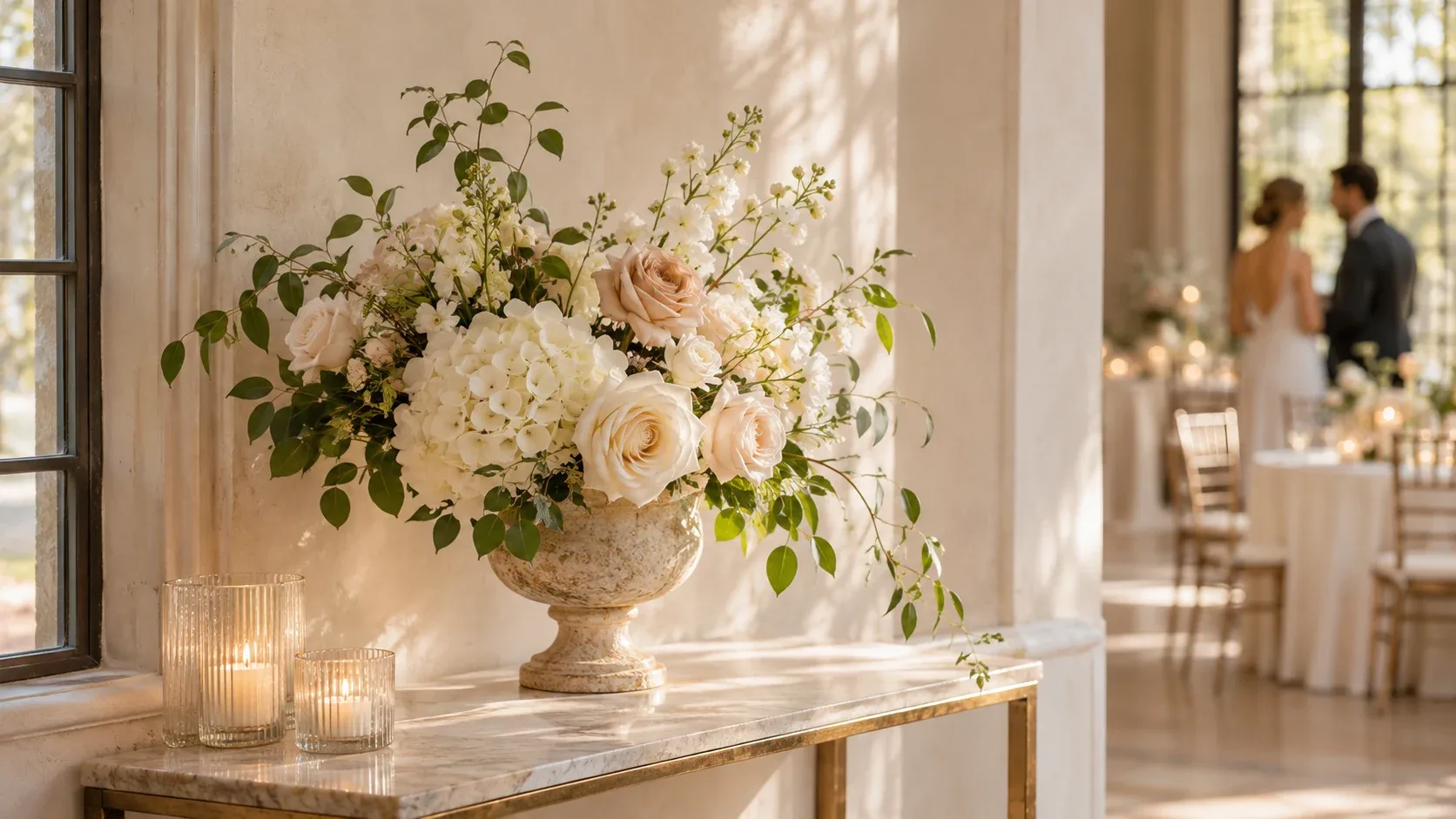
- 2. Use one clear focal point. Direct the design budget to a location guests will see rather than dividing it across many unrelated corners.
- 3. Keep the palette consistent. A few repeated colours can connect simple items more effectively than buying additional decor.
- 4. Plan the light. Discuss the room's existing lighting and any necessary additions before spending on objects that may be hard to see after dark.
- 5. Edit the table. Leave enough room for food, drinks and conversation. A considered arrangement does not need every available accessory.
Spend deliberately on the experience
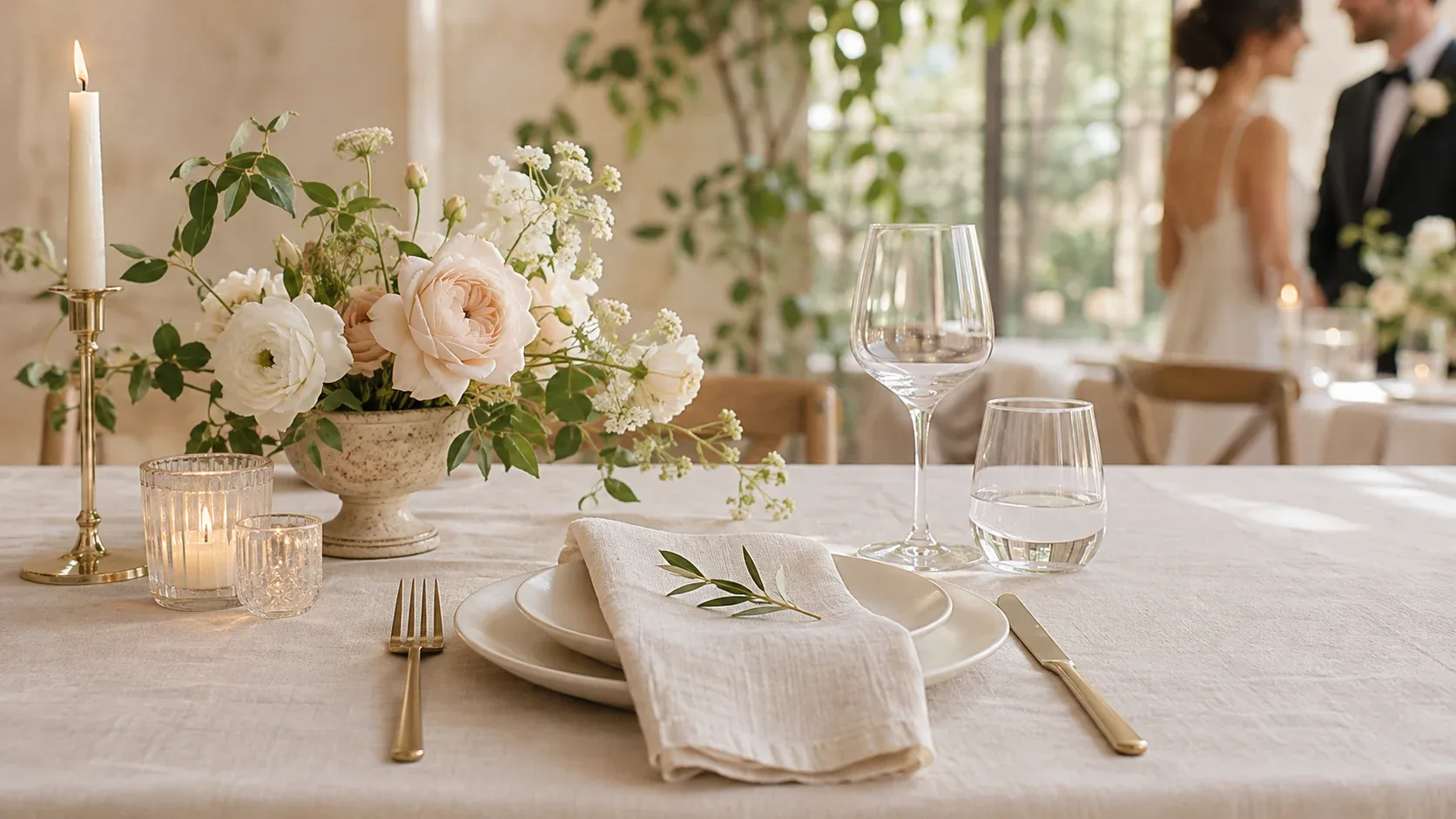
- 1. Prioritise a well-planned meal. Choose a format the caterer can serve comfortably in the space rather than buying complexity for its own sake.
- 2. Reduce unnecessary waiting. A clear transition between ceremony, drinks and dinner can improve the atmosphere without another entertainment booking.
- 3. Make arrivals simple. Useful directions and an obvious welcome point make the event feel cared for.
- 4. Choose seating guests can enjoy. Inspect comfort and layout alongside appearance, particularly for a longer meal.
- 5. Provide a thoughtful drinks choice. Include non-alcoholic options and make the arrangement clear rather than relying on an extravagant display.
Reduce work that does not add value
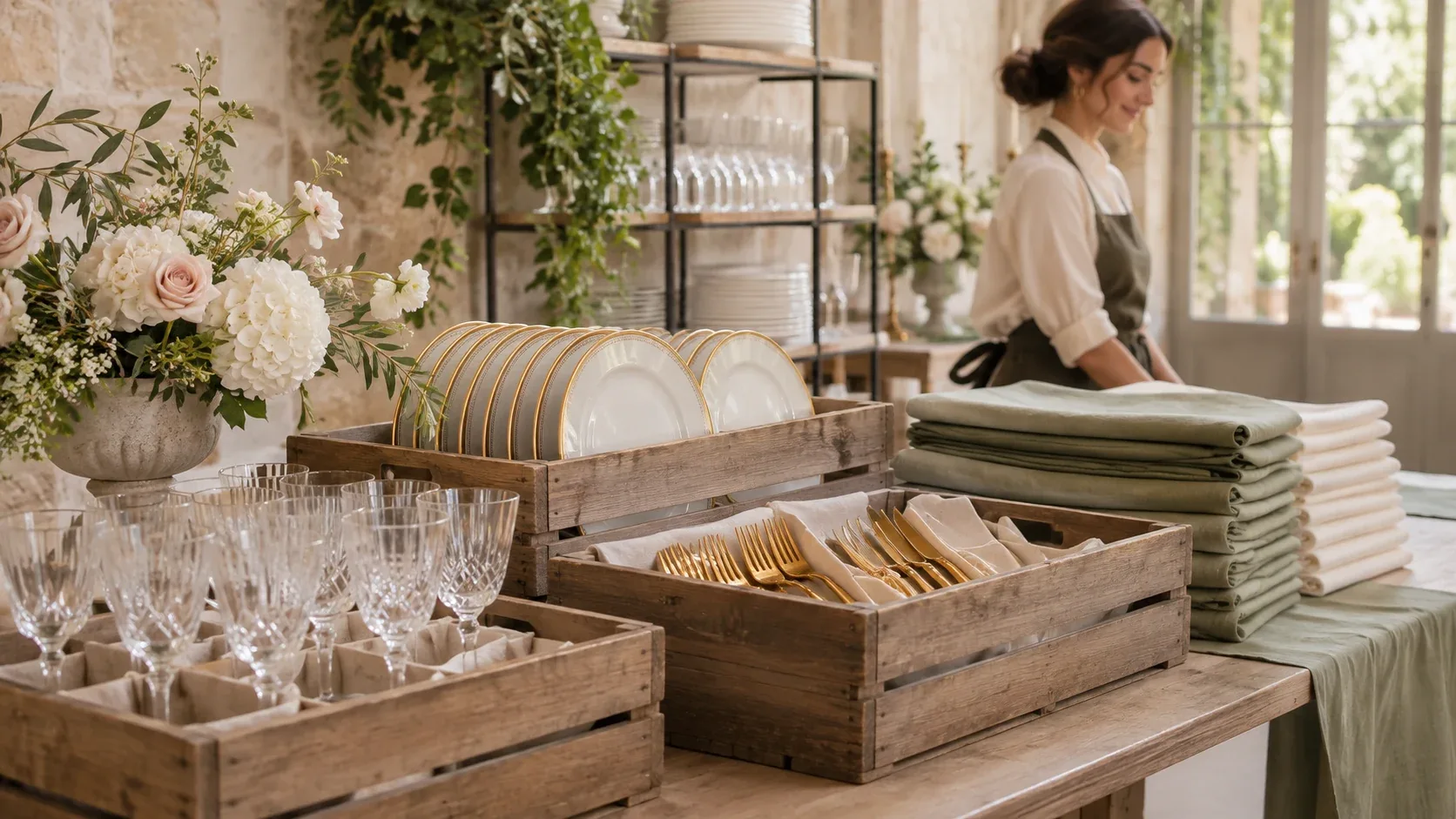
- 1. Hire where ownership adds a burden. Compare delivery, cleaning and collection as well as purchase price.
- 2. Reuse flowers when the move is practical. Confirm labour, timing and the second position before assuming it saves money.
- 3. Limit DIY to projects you can finish well. Make one sample and account for tools, materials, time and transport.
- 4. Coordinate the invitation and website. Repeat a palette and motif so the guest experience feels connected without commissioning every item separately.
- 5. Replace obligatory extras with personal attention. A genuine welcome or thoughtful thank-you note may fit your priorities better than favours you do not want.
Use an impact and effort check
| Proposed addition | Ask before spending |
|---|---|
| Large floral installation | Does it change a space guests will use? |
| Additional entertainment | Is there a genuine gap, or does it crowd the schedule? |
| Custom signage | Does it help guests find something? |
| DIY stationery | Can we finish, proof and distribute it reliably? |
| Transport | Does it solve a difficult arrival or departure? |
For each upgrade, score three questions from one to three: will guests actually use or notice it, does it support a shared priority, and can it be delivered without substantial extra work? These are your planning scores, not a professional valuation. Compare the total with the full price and effort. A better meal service or well-lit dining area may earn a stronger place than several photo props. Keep a separate list of ideas you like but will add only if the core plan remains comfortably funded.
A hypothetical trade-off
Suppose you have £600 left for optional styling. Compare two written proposals: a focal floral arrangement with a small amount of table hire, versus a collection of DIY props and individually sourced vessels. Include delivery, cleaning, installation, collection and the person doing the work. Do not divide the allowance between options before knowing their minimum workable scopes. The £600 is an illustrative allowance, not a claim that any particular supplier can provide those services at that price.
Here is another illustrative calculation: 60 hired decorative pieces at £2 each plus £40 delivery total £160. Buying at £1.50 each costs £90, but £35 travel, £25 packing and £20 trial purchases bring that plan to £170 before your time or resale. The right choice depends on whether you want ownership and can manage the work. Make the same comparison for your real quantity; small unit prices hide the cost of sourcing, transport and finishing.
Protect essentials before cutting costs
Protect food service, necessary staffing, comfortable seating and the equipment your suppliers require. Ask what a proposed saving actually removes. Cutting a decorative item has different consequences from cutting the team needed to set the room or serve dinner. If the plan exceeds your limit, simplify the event scope, number of spaces or optional additions before trying to run a complex celebration with too little support.
A manageable DIY project has a successful sample, a realistic quantity, a deadline and someone responsible for transport and setup. Make ten examples and time the process before promising a hundred. Use the planning checklist for deadlines and the planner decision guide to check who handles delivery on the day. Your ability to make an item and your availability to place it during the wedding are separate questions.
Budget styling questions
Is DIY always cheaper?
DIY can cost less when you already have the skills and tools, enjoy the process and can finish early. It can cost more when trial materials, mistakes, urgent replacements and transport are added. Choose projects with low consequences if you simplify them later, such as a small display, rather than relying on last-minute work for the meal, ceremony or essential guest information.
Are digital invitations always the least expensive option?
Compare the complete stationery plan. A digital invitation may reduce printing and postage needs, while you may still want a few paper keepsakes or table pieces. Include design, guest information, reply handling and any print quantities in the comparison. Explore Aurelia templates for a coordinated invitation and website, and use the paper versus digital guide to choose the mix that suits your guests.